Water Damage Restoration Leominster, MA
24/7 water damage restoration for the city and the towns around it. The restoration team pumps out flooded basements, dries the walls after a frozen pipe splits and logs every moisture reading for your insurance claim.
(888) 629-3140Water in the basement? Call now
Water Damage Restoration Services in Leominster, MA
Thirteen water services, from the first pump-out to the last dry reading. Water and sewage only, nothing else.
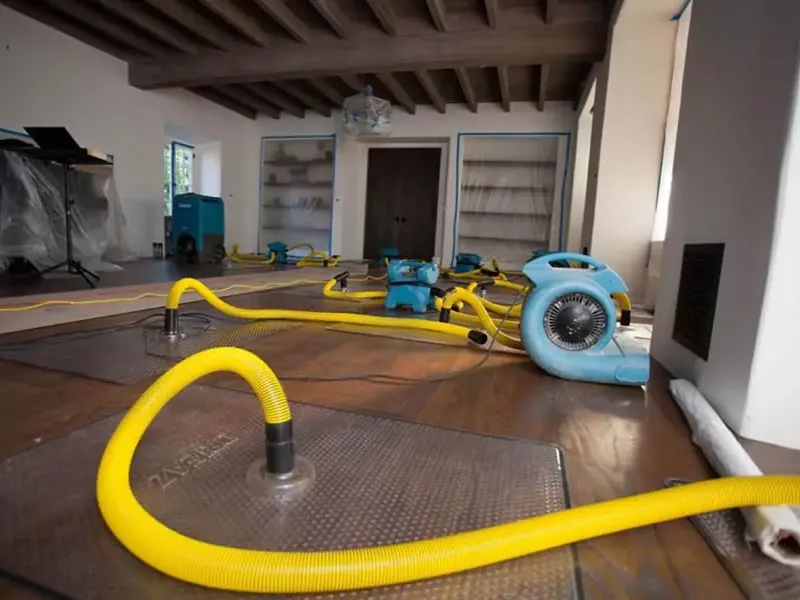 Water Extraction and RemovalTruck-mounted and portable extractors clear standing water fast, then the crew maps how far it traveled.Open this service
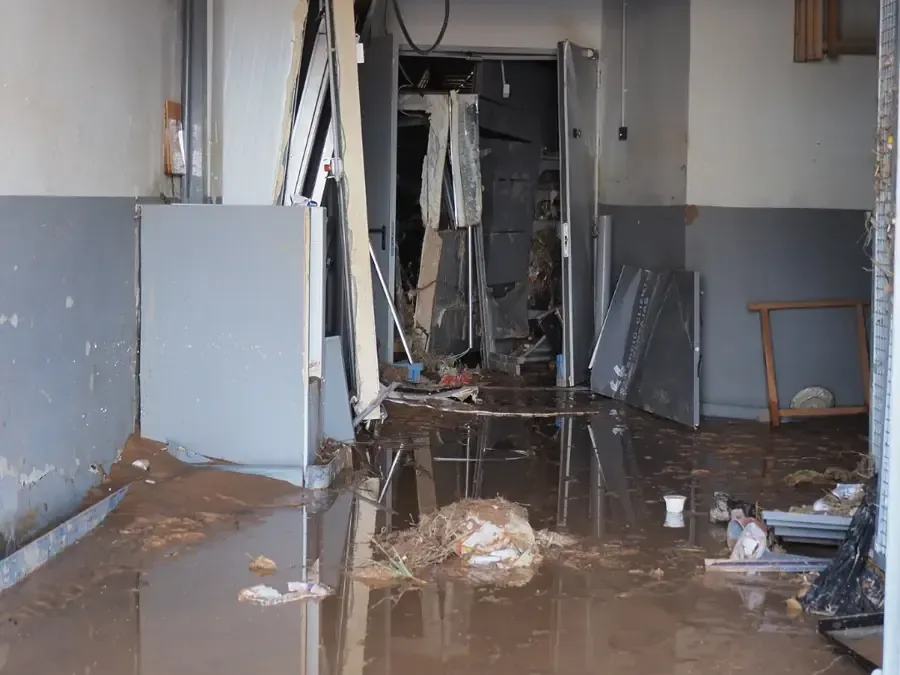 Basement Flooding CleanupFlooded basements pumped out, wet finishes pulled and fieldstone, block and slab dried to a measured goal.Open this service
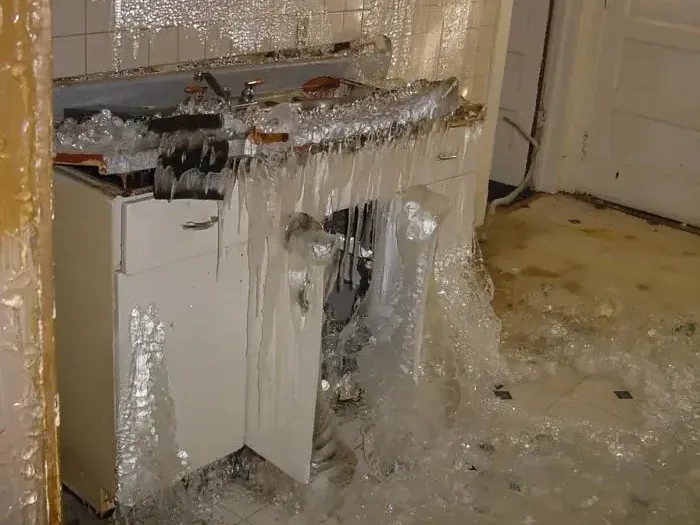 Frozen Pipe Water DamageA pipe that froze in an outside wall splits on the thaw. The wet cavity is opened and dried.Open this service
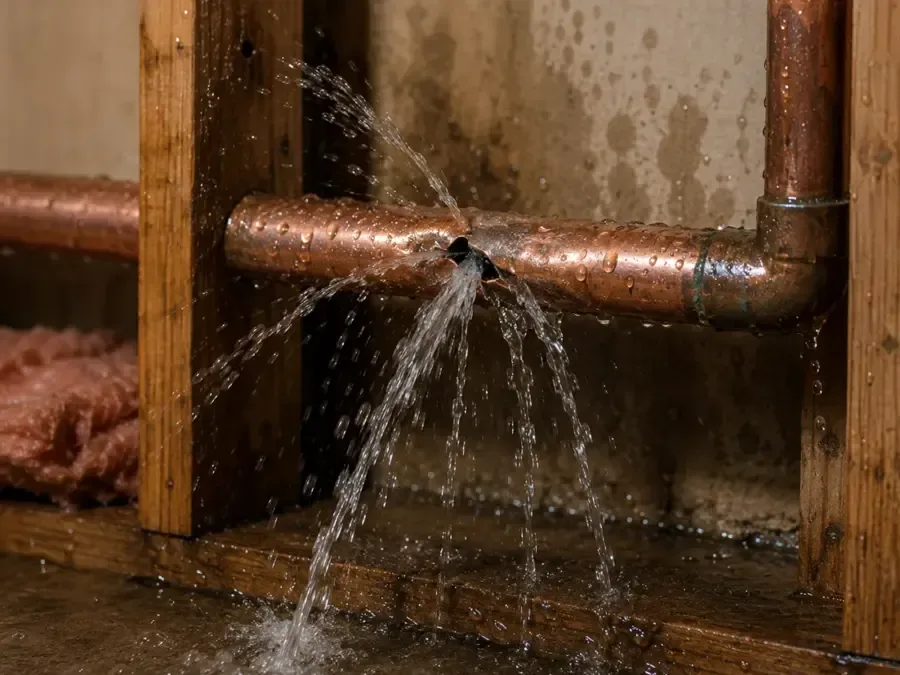 Burst Pipe and Supply Leak DamageOld galvanized, copper and PEX fittings fail under pressure. The water is pulled and the framing dried.Open this service
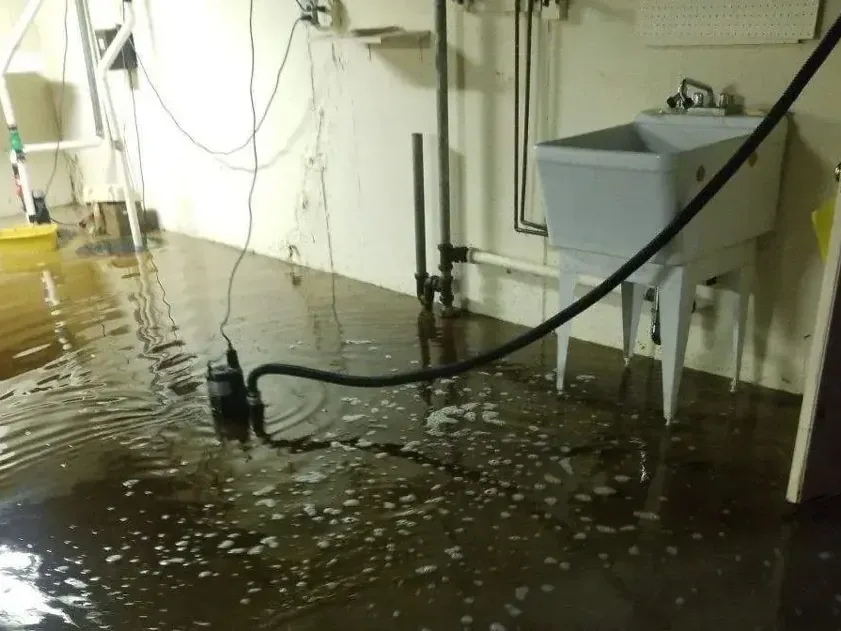 Sump Pump Failure CleanupA pump that quits in a storm or a power outage floods the basement fast. Extraction and drying follow.Open this service
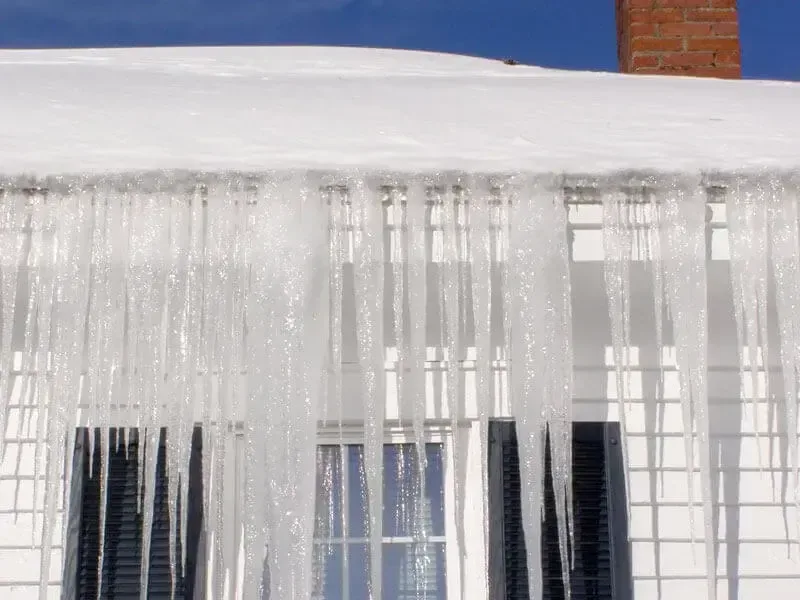 Ice Dam and Roof Leak Water DamageMeltwater backs up under the shingles at the eaves. Wet insulation comes out and ceilings get dried.Open this service
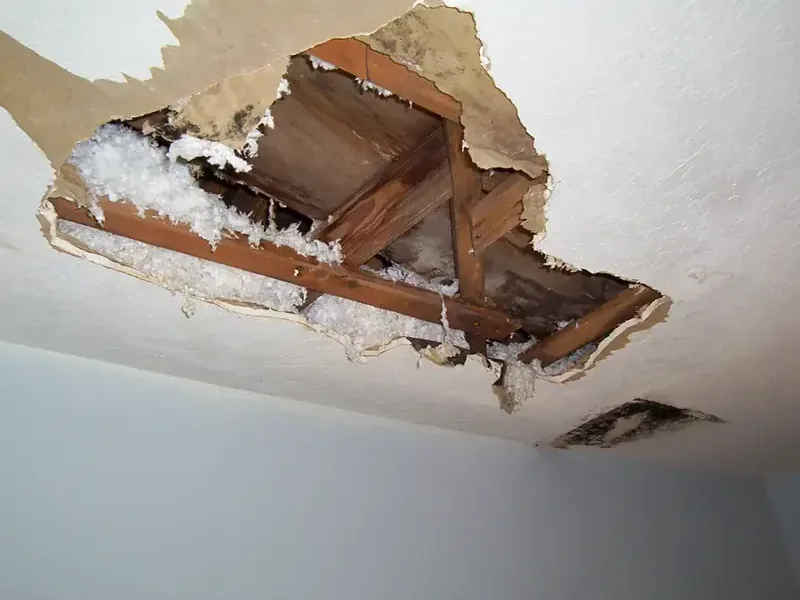 Ceiling Leak Water DamageBath, radiator and upstairs-unit leaks traced, sagging drywall or plaster opened safely and joists dried.Open this service
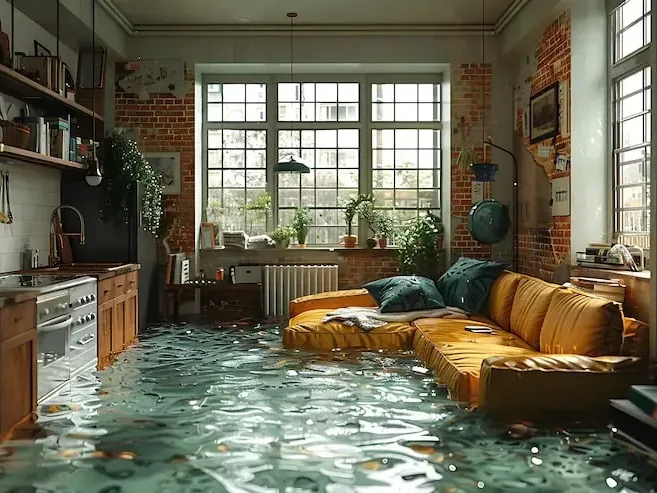 Flash Flood and Storm Water CleanupBrook overflow and storm runoff carry silt and sewage. Mud removed, surfaces disinfected, structure dried.Open this service
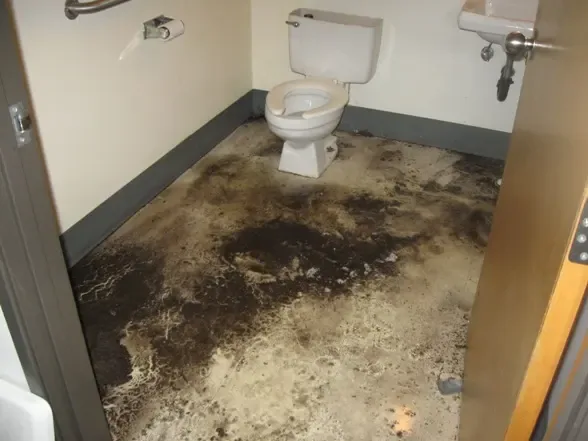 Sewage Backup CleanupFloor drain and main sewer backups treated as Category 3, with protective gear and porous materials removed.Open this service
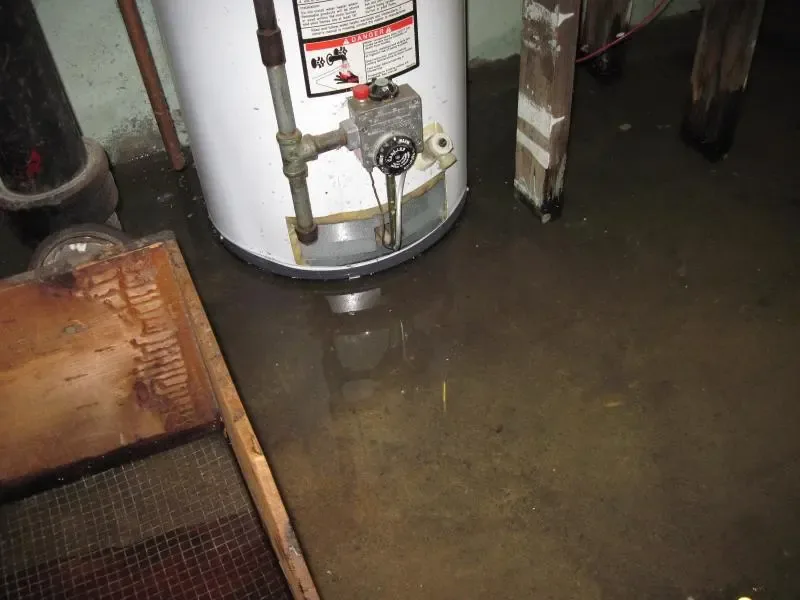 Water Heater Leak CleanupA basement tank that lets go empties 40 to 80 gallons. Stored contents moved, slab and framing dried.Open this service
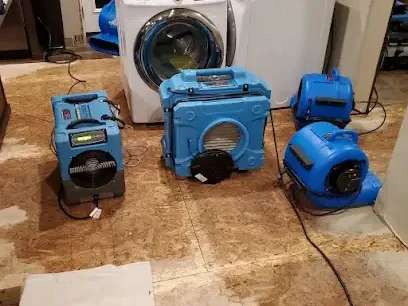 Appliance and Washer Hose LeaksWasher hoses, dishwashers, ice makers and sink supplies leak into floors and cabinets, extracted and dried.Open this service
 Structural Drying and DehumidificationAir movers, LGR and desiccant dehumidifiers dry framing, plaster and masonry to a verified reading.Open this service
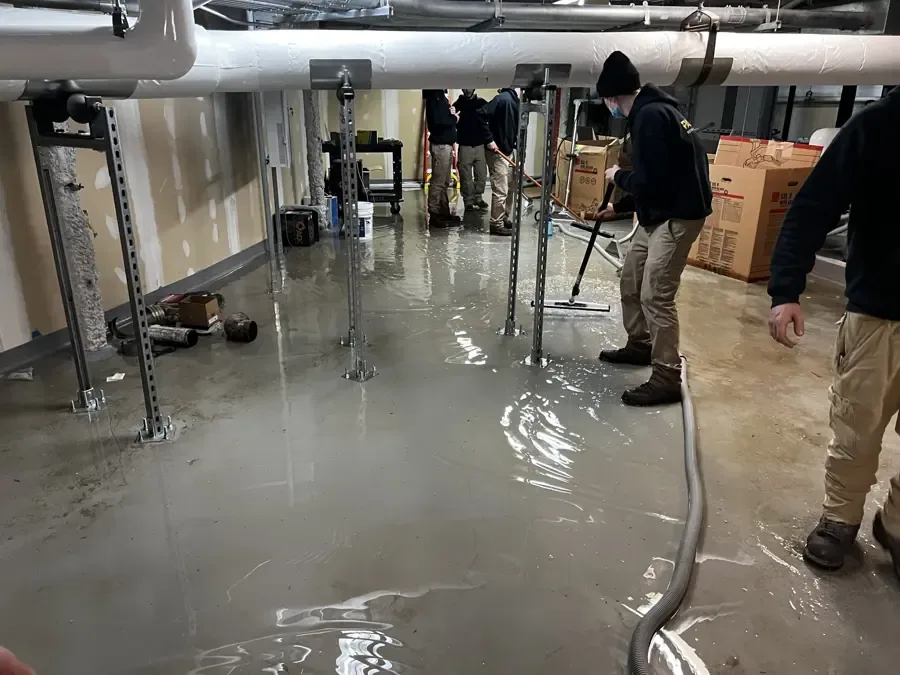 Commercial Water DamageOffices, shops, mill-building tenants and apartment buildings dried in phases to keep doors open.Open this service
How a water loss gets handled, start to finish
Rapid local response
Dispatch runs 24/7, and active water is treated as urgent at any hour, including the nights a cold snap splits a pipe.
IICRC S500 drying standard
The drying team dries the structure, not just the surface, and the equipment stays until readings reach a dry reference.
Claim-ready documentation
Moisture maps, daily drying logs and timestamped photos go into the claim file before anything is torn out.
Cold-climate water know-how
Ice dams, frozen supply pipe, fieldstone basements and old multi-family plumbing are routine work for local water damage experts.
The equipment behind a proper dry-out
- Truck-mounted extraction that moves basement water fast
- Submersible pumps for basements with standing water
- LGR and desiccant dehumidifiers for slabs, plaster and brick
- Thermal imaging and pinless meters that find water inside walls
Water damage dried to the IICRC S500 standard
Four stages, the same on every job, whether the water came from a split pipe or an overflowing brook.
Dispatch and inspect
The response team arrives with pumps and meters, finds the source and maps how far the water traveled.
Extract
The extraction crew pulls standing water and removes wet pad, drywall or insulation where the category calls for it.
Dry and monitor
The drying team sets air movers and dehumidifiers to each room's load and records readings every day.
Verify and document
Equipment comes out when materials read within 2 to 4 points of a dry reference, and the logs go to the claim file.
What does water damage restoration cost in Leominster, MA?
Most jobs run between $1,200 and $9,000. A clean-water leak caught early sits at the low end; a flooded finished basement or a sewage backup runs higher.
Small, clean water
- One room or part of a basement
- Extraction and drying in place
- Category 1 supply water
Basement or two floors
- A flooded basement or two floors
- Flood cuts, drying and monitoring
- Gray water or groundwater
Sewage or storm water
- Category 3 water
- Removal of porous materials
- Containment and antimicrobial
Documentation for your insurance claim
The restoration team builds the claim file while the work happens, so the adjuster can see the loss before anything is torn out:
- A moisture map of every wet room, floor and wall
- Daily psychrometric drying logs
- Timestamped photos taken before demolition
- The water category and class of loss
- An itemized scope of the work
Sudden and accidental water, like a pipe that split in a freeze, is often covered. Surface flooding usually needs separate flood insurance, and groundwater seepage and sewer backup are often limited or need an endorsement.
Coverage depends on your policy, so check with your own insurer before you sign anything.
Ranges are typical, not a quote. The water category, the square footage, the material class and how fast drying started move the number most. The water damage cost calculator gives a closer range for your own loss.
What to do while the water is still moving
- Shut the main valve if you can reach it, usually in the basement where the pipe comes in
- Stay out of a flooded basement until the power to it is off
- Lift boxes, rugs and electronics off wet floors and take photos
- Call for extraction, since every hour of standing water soaks deeper
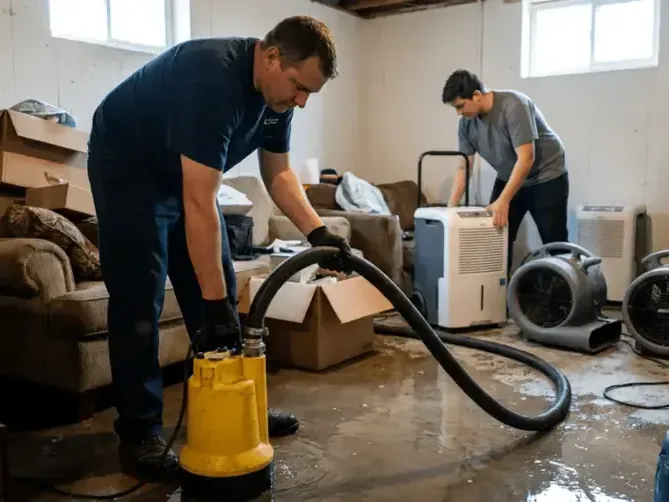
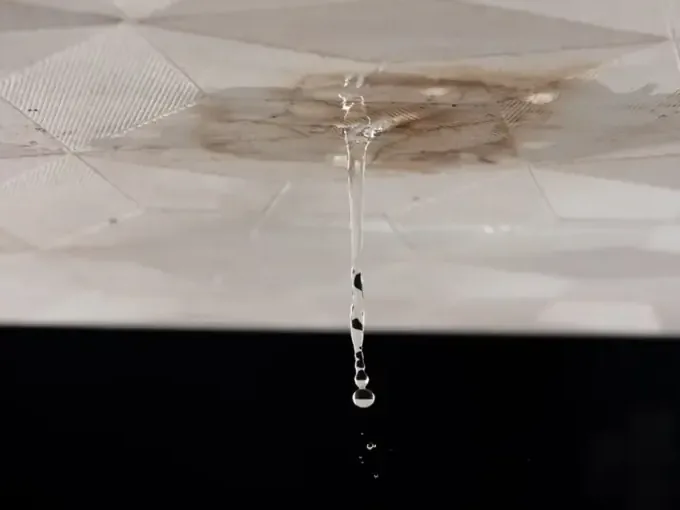
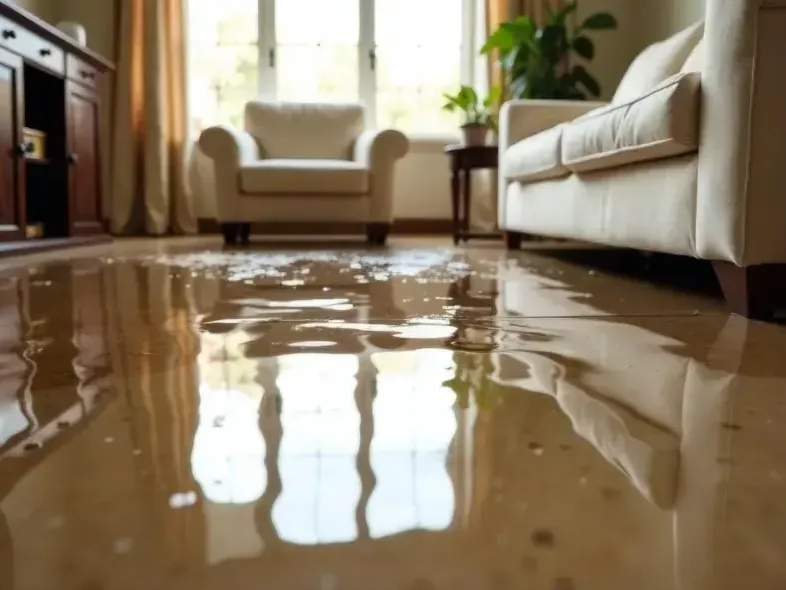
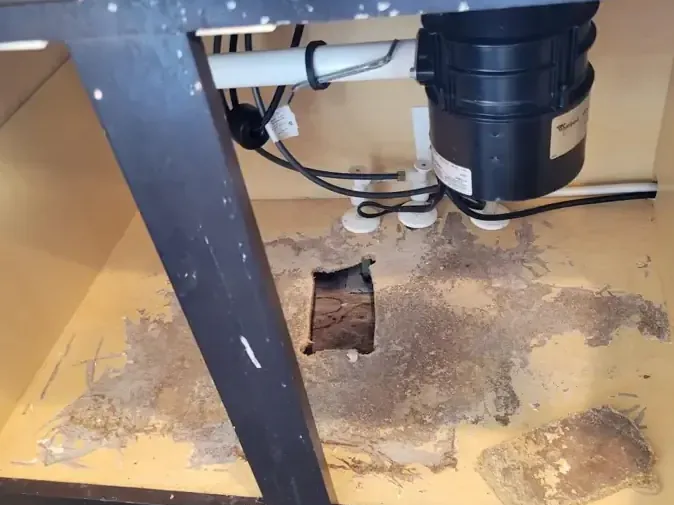
What a water damage dry-out looks like
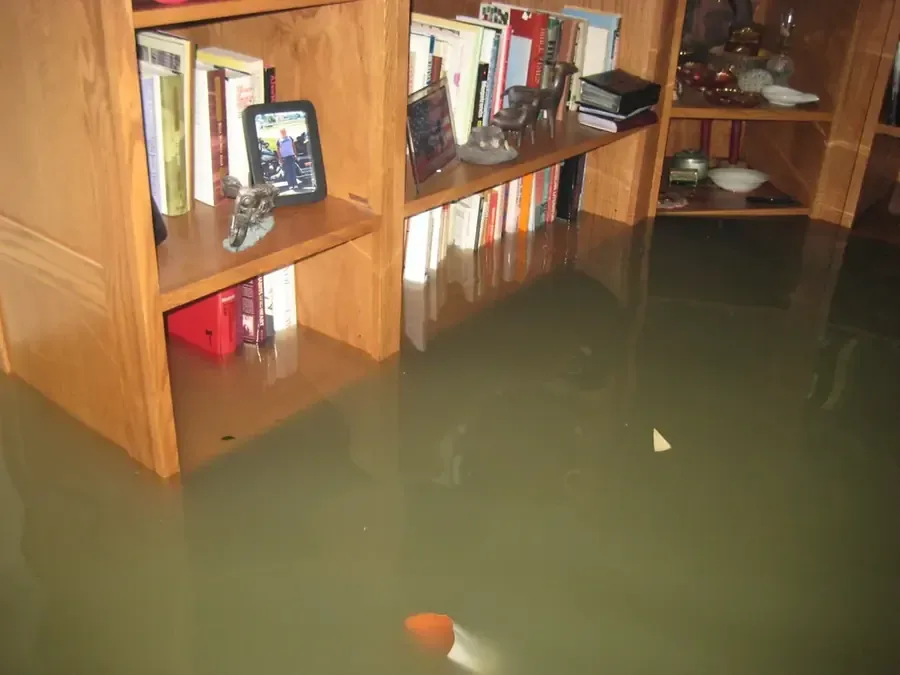
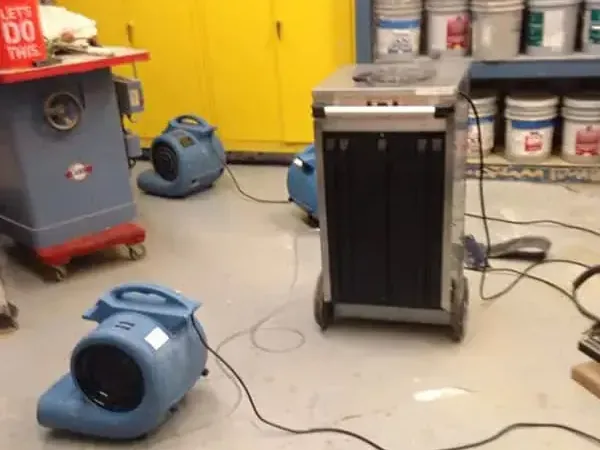
Representative photos of extraction and drying work, the same steps used in homes across the city.
From Monument Square to North Leominster, day or night
Local restoration pros cover every street in the city and the towns that border it.
ZIP covered
Every street in 01453 is covered. Give your street and nearest cross street when you call so the closest crew is sent.
Nearby towns
Find us on GoogleDowntown and Monument Square
North end
West side and the state forest edge
South side
Business corridors
All water damage categories covered in Leominster, MA
Clean, gray or black, each category of water is handled to the IICRC S500 standard.
Category 1, clean water
From a split supply pipe, a water heater or a sink overflow. Extracted and dried in place before it spreads and turns dirty.
See burst pipe cleanupCategory 2, gray water
From a washer drain, a dishwasher or groundwater that crossed a dirty floor. Soaked pad and finishes are cleaned or pulled.
See appliance leak cleanupCategory 3, black water
Sewage, floor drain backups and brook or storm floodwater. Contained, porous materials removed, surfaces disinfected.
See sewage backup cleanupWhy Leominster homes take on water
Old housing, hard winters and a brook that winds through the center of the city give water damage here its own pattern. Most homes sit over full basements, and many older ones have fieldstone or block walls.
Cold snaps and frozen pipe
January nights in the single digits split supply pipe in outside walls, enclosed porches and unheated basement corners.
Ice dams on older roofs
Heavy snow and attic heat loss build ice at the eaves, and meltwater backs up under shingles into ceilings and walls.
Spring thaw and groundwater
Snowmelt and April rain raise groundwater against fieldstone and block foundations, and sump pumps run for weeks.
Summer cloudbursts
News reports put the September 2023 cloudburst near 10 inches of rain in a few hours, and low streets and basements flooded across the city.
Mill-era multi-family plumbing
Two- and three-family houses near downtown still carry galvanized supply pipe and cast iron stacks, so one leak can reach every floor.
Floor drains and sewer backups
When heavy rain overloads the sewer, water pushes back up through basement floor drains as Category 3 water.
Water damage questions from local homeowners
Water in the house right now?
Skip the reading and call. Dispatch runs 24/7, nights, weekends and storm days included.
(888) 629-3140 (888) 629-3140Call about the water nowHow fast can someone get to my home?
Dispatch runs around the clock and active water is treated as urgent at any hour. Timing depends on the hour, the weather and the distance, so call as soon as you see water and give your street and nearest cross street.
What should I do while I wait?
Shut the main valve if you can reach it safely, and stay out of a flooded basement until the power to it is off. Move what you can off the floor and take photos before anything is cleaned up.
A pipe froze and split. What happens now?
The restoration team extracts the water, opens the wet wall or ceiling cavity where the pipe ran and dries the framing. A plumber repairs the pipe; the drying is its own job. More on frozen pipe water damage.
My basement floods every spring. Can it be dried properly?
Yes. The extraction crew pumps out the standing water, pulls wet finishes and dries the slab and walls with dehumidifiers. Groundwater comes back without a working sump pump or a drainage fix, so the cause goes in the file.
Is water damage covered by insurance?
A sudden, accidental loss such as a burst pipe is usually covered after the deductible. Surface flooding, groundwater seepage and sewer backup are often treated differently. Coverage depends on your policy, so check with your own insurer.
How much does water damage restoration cost here?
Most jobs run between $1,200 and $9,000, set by the water category, the square footage, the materials and how long the water sat. Sewage and storm water cost more because porous materials are removed.
How long does drying take?
A contained Class 1 loss usually dries in three to five days. A soaked basement slab, plaster walls or hardwood take longer, and the equipment stays until readings reach the dry goal.
What is the IICRC S500 standard?
It is the industry standard for water damage restoration. It sets how water is categorized, how drying equipment is sized and when a material counts as dry.
When does drywall or carpet have to come out?
Clean water caught fast can often be dried in place. Materials come out when they stayed wet too long, lost strength, or were touched by Category 3 water such as sewage or floodwater.
Why is a sewage backup handled differently?
Sewage is Category 3 water from the first minute. Crews wear protective gear, set containment, remove porous materials it touched and treat surfaces with an EPA-registered antimicrobial. More on sewage backup cleanup.
Water in the house? Help is one phone call away
Every hour of standing water soaks deeper into floors and walls. One call sends the response team out to extract, dry and document, day or night.
(888) 629-3140Get the extraction started now