Water Damage Restoration in Lancaster
Dispatch sends a crew to Lancaster homes and businesses when a pipe bursts, a basement floods or a drain backs up. The crew pumps out standing water, opens wet walls and logs daily moisture readings until the structure reads dry.
(888) 629-3140Call about a wet Lancaster basement
Water services for every kind of loss
Pick the kind of water loss below and the page explains the work, the price range and the claim paperwork.
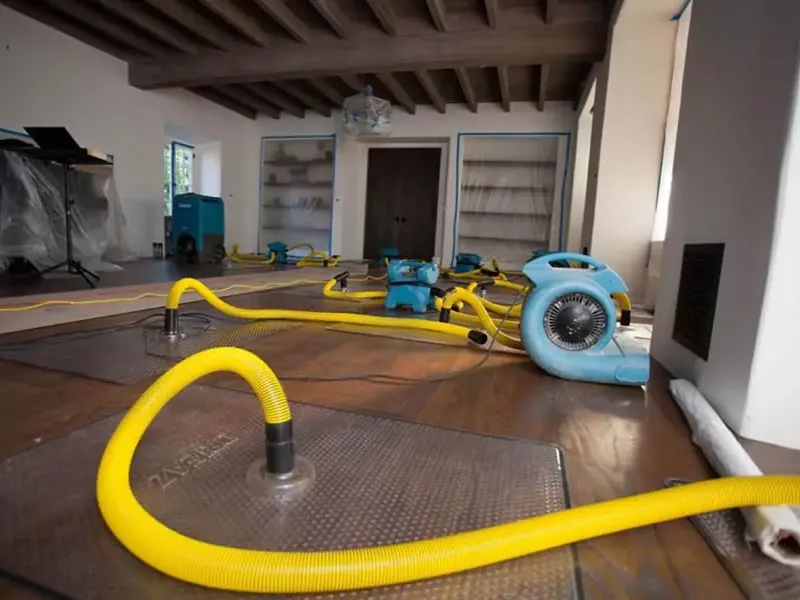 Water Extraction and RemovalTruck-mount and submersible pumps pull standing water from floors, carpet and slabs before the drying equipment goes in.Open this service
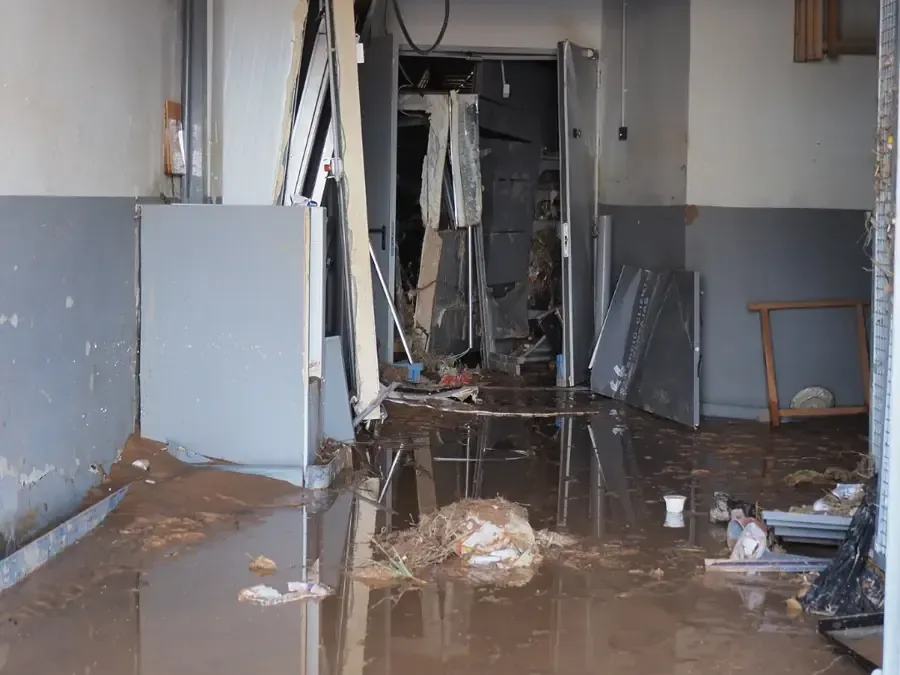 Basement Flooding CleanupCrews pump down a flooded basement, strip soaked carpet and drywall, then dry the walls with logged readings.Open this service
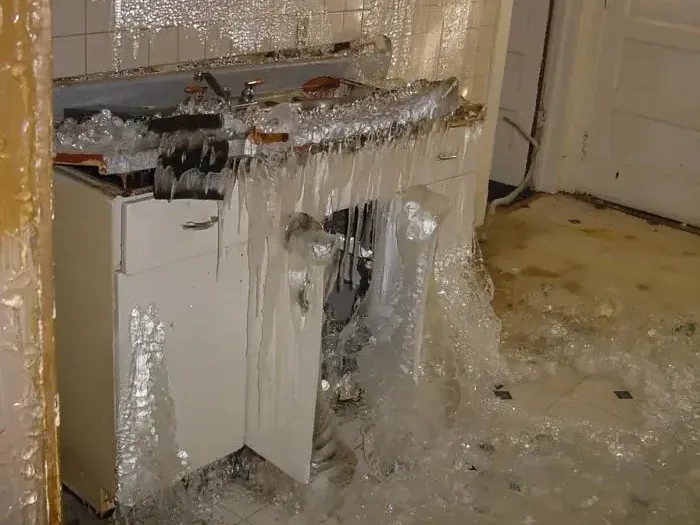 Frozen Pipe Water DamageAfter a hard freeze splits a pipe, crews open the wet cavities, extract the water and dry the framing.Open this service
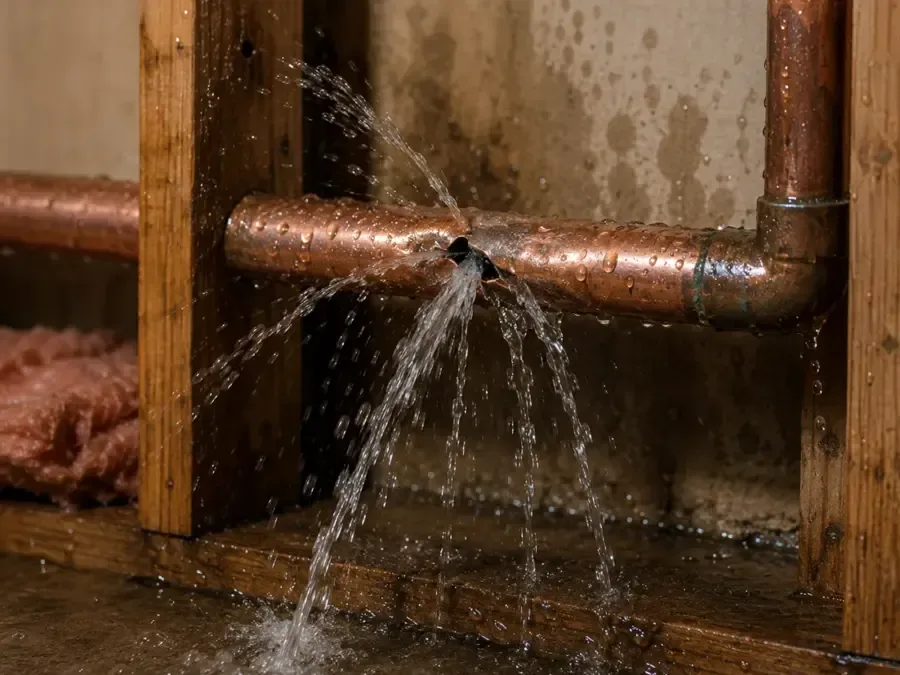 Burst Pipe and Supply Leak DamageCrews extract water from a burst supply pipe, open the wall and dry the floors and framing.Open this service
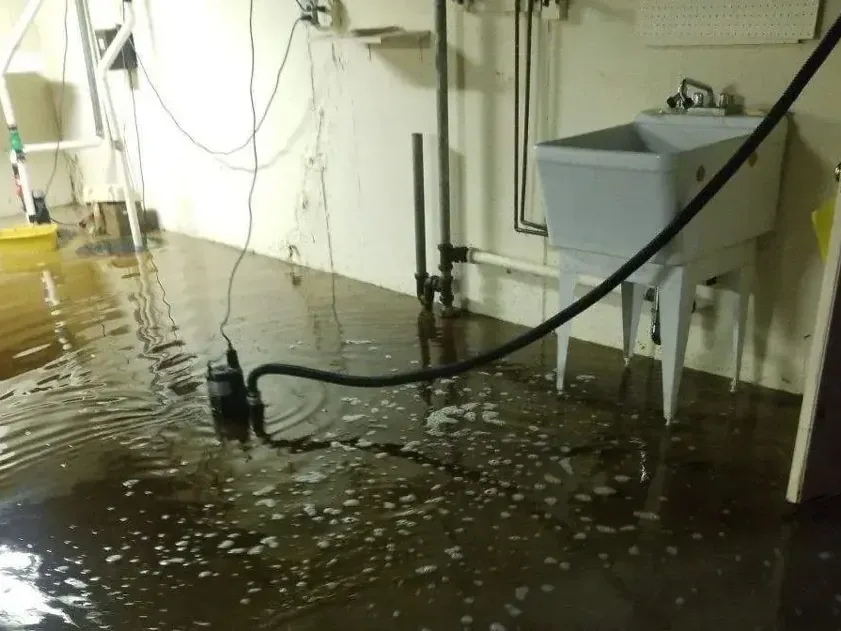 Sump Pump Failure CleanupWhen a sump pump fails or loses power, crews pump out the basement and dry what the water reached.Open this service
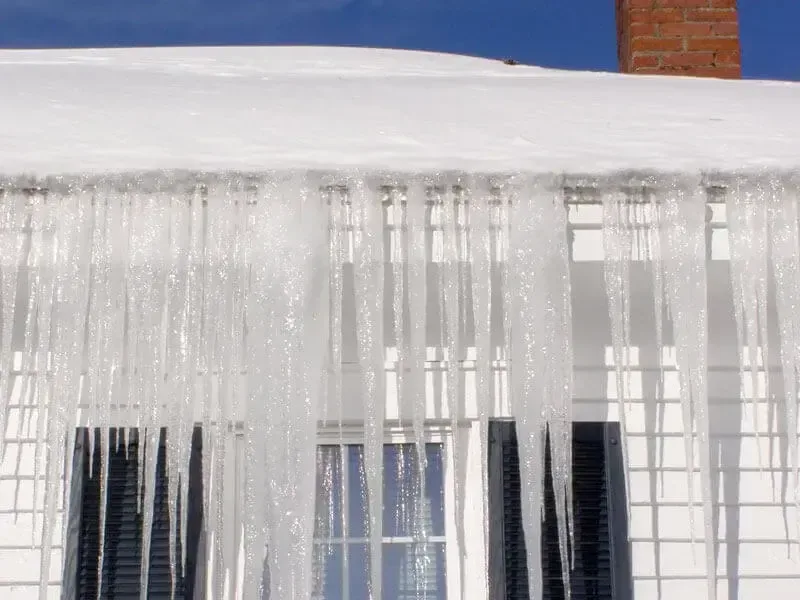 Ice Dam and Roof Leak Water DamageMelt water behind an ice dam soaks insulation and ceilings, and crews dry the attic and rooms below.Open this service
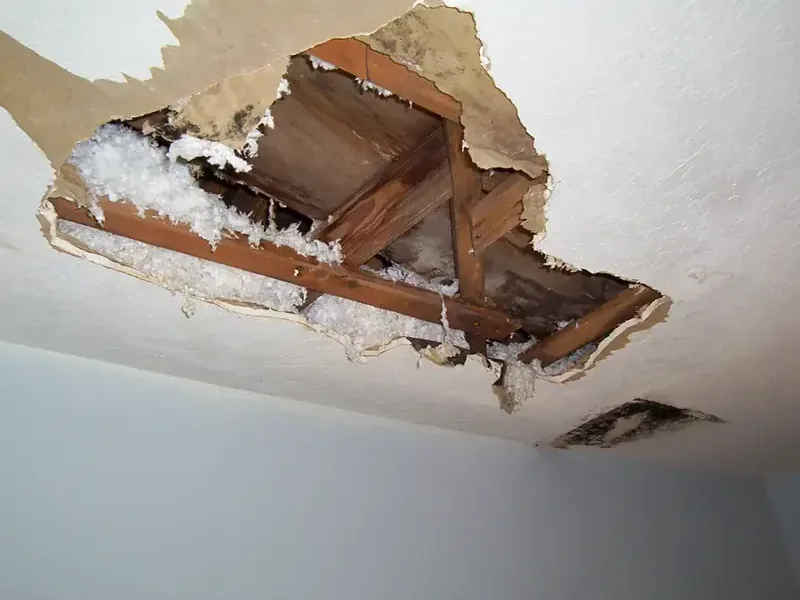 Ceiling Leak Water DamageCrews trace a ceiling leak to its roof, pipe or appliance source, then open and dry the wet cavity.Open this service
 Flash Flood and Storm Water CleanupRiver and storm flooding brings silt and debris, so crews pump out, clean and dry the whole space.Open this service
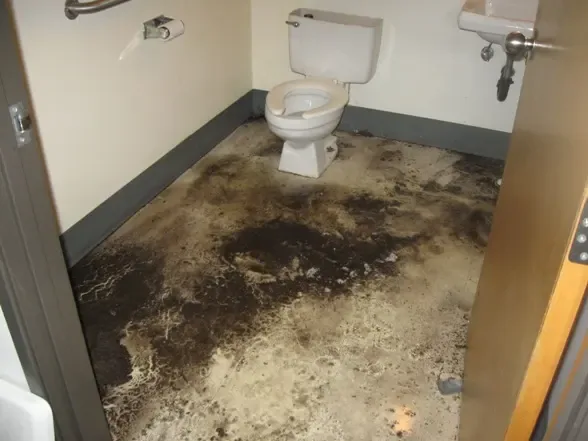 Sewage Backup CleanupSewage and septic backups are Category 3 water, so crews contain the area, remove soaked materials and sanitize.Open this service
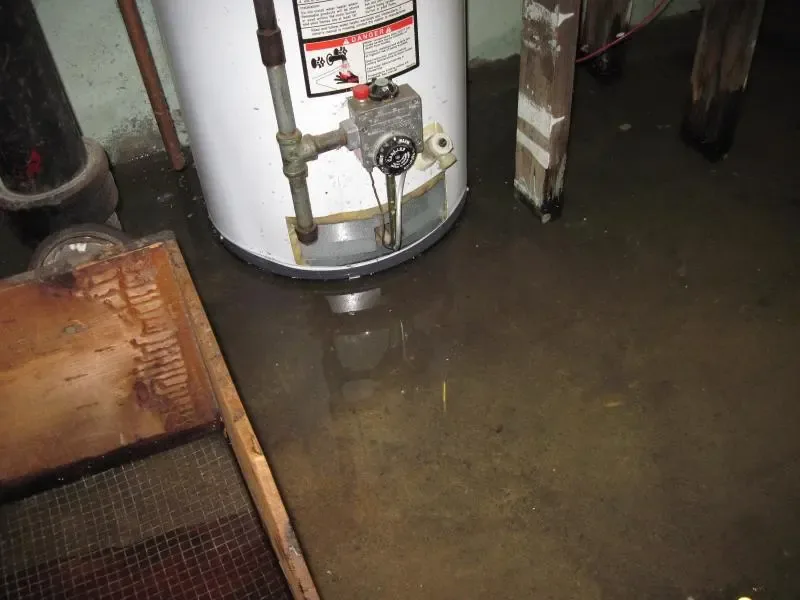 Water Heater Leak CleanupCrews extract water from a failed water heater and dry the floor and wall bottoms around it.Open this service
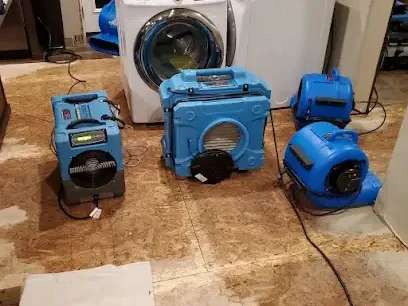 Appliance and Washer Hose LeaksCrews dry the floor, cabinet bases and subfloor after a washer hose or dishwasher fails.Open this service
 Structural Drying and DehumidificationAir movers, dehumidifiers and daily readings take wet framing, plaster and masonry down to a dry standard.Open this service
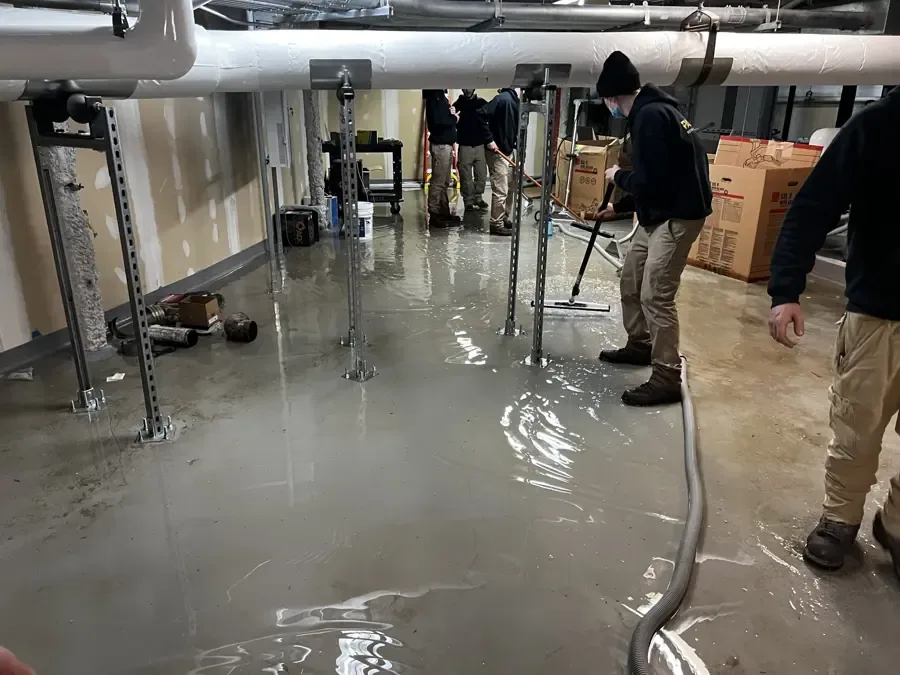 Commercial Water DamageCrews dry shops, offices and suites in phases, with after-hours work and records the property manager can file.Open this service
How a water loss gets handled from the first call
Night and storm dispatch
Dispatch answers at all hours, and a crew heads out with extraction gear when a pipe, drain or river floods a home.
Sewer or septic
Homes on the sewer district and homes on septic need different cleanup, and the crew asks which one applies before choosing containment.
Records for the adjuster
Dated photos, moisture readings and equipment logs go to the adjuster, so the claim file shows what was wet and when it dried.
Village homes, newer streets
North Village and Lancaster Center hold homes from the eighteenth and nineteenth centuries, while subdivisions date to the early 2000s, so readings set the drying goal.
Equipment on the truck for a wet home
- Truck-mount and submersible pumps for standing water
- Air movers and LGR dehumidifiers sized to the room
- Pin and pinless meters plus an infrared camera
- Containment sheeting and negative air for sewage jobs
Four steps from wet to confirmed dry
A dry-out follows the same order in every loss, and the crew writes each reading down along the way.
Find and measure
The crew finds the source, shuts off what can be shut off and maps wet areas with meters and a camera.
Remove the water
Pumps and wands pull standing water, then the crew removes soaked pad, insulation and drywall that cannot dry.
Dry and log
Air movers and dehumidifiers run for days while the crew returns daily to read the meters and adjust the setup.
Confirm dry
Final readings match the dry standard for each material, and the crew removes the equipment and hands the adjuster the log.
What water damage cleanup costs and who pays
A small clean-water leak often costs $1,200 to $3,000, while sewage or floodwater starts at $9,000, and the water category and the materials removed set the number.
Small clean-water leak
- Extraction plus a few days of air movers
- One room or one wall bay
- Clean supply water
Several rooms or a basement
- Pumping, extraction and wet pad removal
- Drywall and insulation cut out
- Daily readings until dry
Sewage or floodwater
- Category 3 contamination
- Porous materials removed
- Containment plus antimicrobial
What the adjuster asks for
Claims move faster when the crew hands over a complete record, so each job builds the file from the first visit.
- Dated photos of every wet room and item
- Moisture readings from day one
- Notes on the water source
- Equipment placed and daily logs
- Itemized list of removed materials
Homeowners can help the claim by photographing the damage before anything moves, saving damaged items the adjuster may want to see, and keeping receipts for any repairs made to stop the water.
At the 2020 census, 18.5% of occupied homes were rented, so a tenant should report a loss to the landlord right away.
These ranges cover the dry-out only, and rebuild work is quoted apart. Rising river water usually falls under a separate flood policy, while sewer or septic backup often needs an added endorsement.
What to do while the water is still running
- Shut the main water valve if a pipe is the source.
- Turn off power to wet areas from a dry spot, or leave it to the electrician.
- Photograph the water and the damaged items before anything moves.
- Call dispatch and the insurer, then keep wet materials for the adjuster to see.
Water damage jobs in pictures
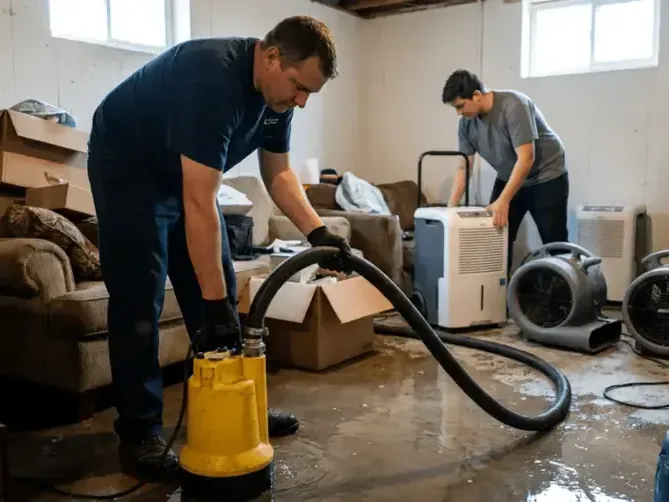
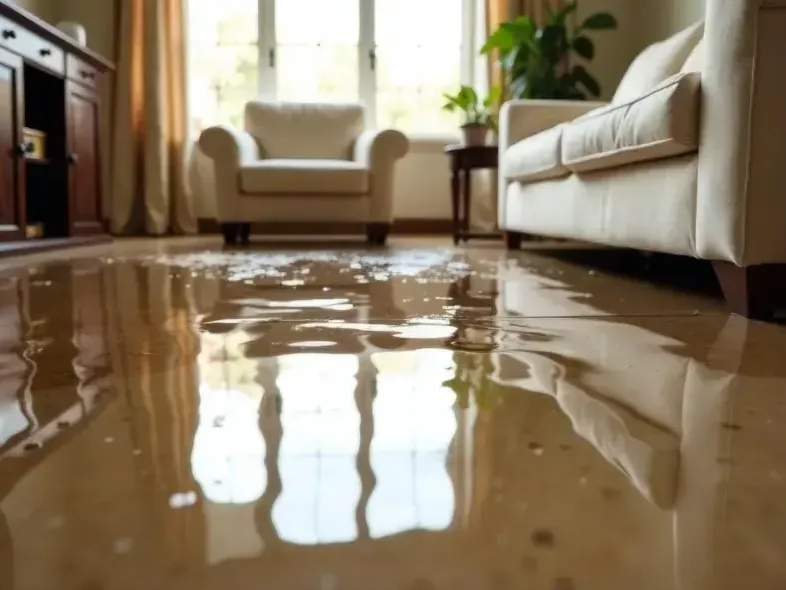
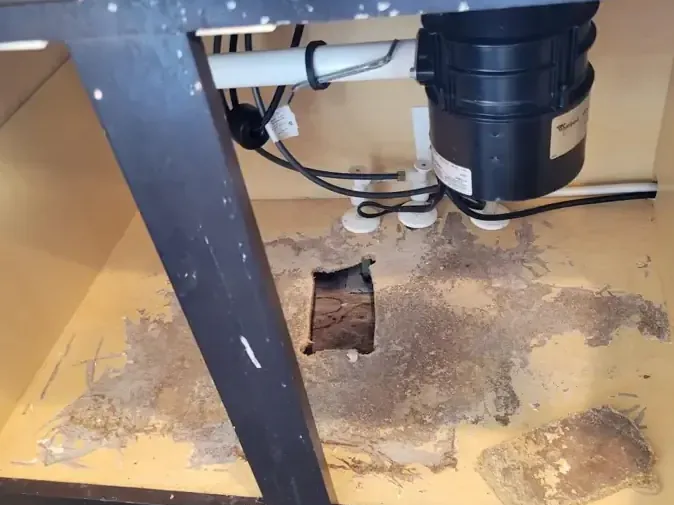
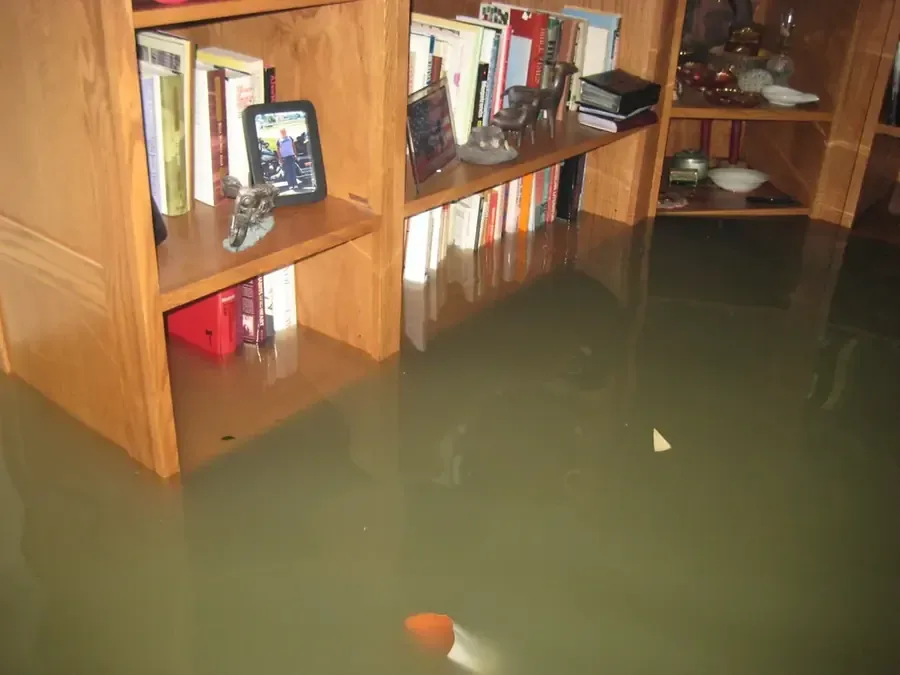
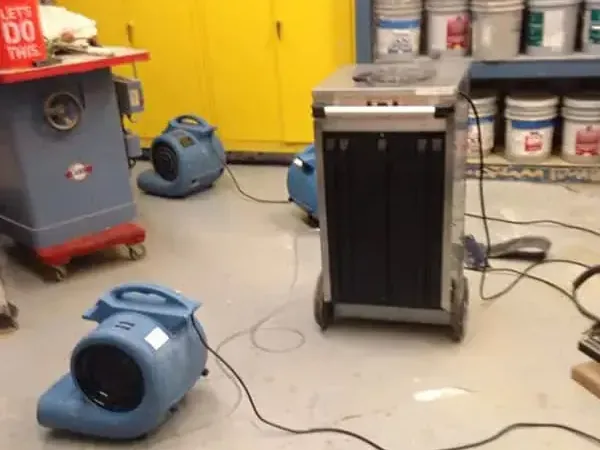
These photos show typical water loss scenes and equipment, not specific local homes or jobs.

Villages and subdivisions across the town
Crews respond in the village centers, the subdivisions and along the main roads, in two ZIP codes.
ZIPs covered
Both ZIP codes fall inside the service area, and the crew confirms the address with the caller before heading out.
Nearby places
Village centers
Early subdivisions
More subdivisions
Main roads
Soup bowl area
Sewer extensions
Common water types in local homes
Three water types come up often, and each links to the page that covers its cleanup.
Burst pipe floods
A split supply pipe can soak a wall, a ceiling and the floor below, so the crew extracts first, then opens the wet cavity.
Burst pipe cleanupAppliance leaks
A failed washer hose or dishwasher fitting wets floors and cabinet bases, so the crew lifts flooring and dries the subfloor.
Appliance leak cleanupSewer and septic backups
Backups from sewer or septic systems are Category 3 water, so the crew contains the area and removes porous materials.
Sewage backup cleanupLocal water risks worth knowing
The Nashua River forms much of the town's eastern boundary, and flood history, a split between sewer and septic buildings and older village homes all shape which kinds of water problems turn up in town.
River flooding
The 2022 Hazard Mitigation Plan names the Nashua River and the Still River as flood zones, and March 2010 rain flooded local basements.
The soup bowl
The town's fire chief said Bolton Road and Center Bridge Road form the soup bowl of southern Lancaster, hit by both the Nashua River and the Wachusett Reservoir.
Sewer and septic split
The sewer district serves much of South Lancaster, and buildings elsewhere use septic systems, which the master plan names as a standing concern.
Hard freezes
A hard freeze can split a pipe in an exterior wall or an unheated space, and the wet cavity then needs opening and drying.
Older village homes
North Village and Lancaster Center are National Historic Districts with homes from the eighteenth and nineteenth centuries, so the crew sets drying goals by meter.
Wells and aging water mains
Properties on or north of Lunenburg Road use private wells, and the Department of Public Works has been replacing aging sections of the town water system.
Water damage questions from local homeowners
Not sure what kind of loss this is?
Describe what happened to dispatch and get a plain answer on what to do first.
(888) 629-3140 (888) 629-3140Talk to dispatch nowWhat should a homeowner do first when water floods a basement?
Stay out of standing water until the power to the area is off, shut off the water source if a pipe is leaking, photograph the damage and call dispatch so water extraction can start.
Does homeowners insurance pay for river or storm flooding?
A standard homeowners policy usually excludes rising river water, which falls under a separate flood policy, while a burst pipe or a failed water heater is often covered, so the adjuster reads the policy.
How does cleanup differ between sewer and septic homes?
Both sewage backups are Category 3 water and get containment, removal of soaked porous materials and antimicrobial treatment, but a septic tank problem may also need the septic service called before the crew finishes.
Which parts of town sit on the sewer district?
The sewer district serves much of South Lancaster, including the streets bordering Clinton and Main Street out to Route 117, while other buildings use septic systems. The district also offers overflow notification sign-ups.
Are the planned culvert fixes finished?
The 2022 Hazard Mitigation Plan lists culvert upgrades on Route 117 and Route 110 and other drainage work only as proposed actions, so a homeowner should not count on them to keep water out.
Which roads flood when the Nashua River rises?
In April 2007 and twice in March 2010, high water closed Center Bridge Road, Bolton Road and Route 117. The roads reopened as the Nashua River receded, but a basement that took on water needs drying long after.
Does a sump pump stop a river flood?
Pumps help, and the fire chief said fewer calls came in during late March 2010 because residents had bought their own, but a pump that loses power leaves the basement exposed.
Where do crews look after a ceiling stain appears?
The crew checks the roof, the pipes and the appliances above the stain with a moisture meter, opens only the wet section and dries the cavity so the repair does not trap water.
Who handles plumbing permits for repairs?
The Department of Inspectional Services issues plumbing, electrical and building permits under the State Building Codes, and many can be filed electronically, so rebuild work can begin with a call to that office.
Does the work cover shops and offices along the main roads?
Yes, crews dry shops, offices and suites along Lunenburg Road, Old Union Turnpike, Route 2 and the southern business district, working in phases and after hours when the business needs to stay open.
Call dispatch when water gets into the building
Dispatch answers on nights, weekends and holidays, then sends a crew with pumps, drying equipment and a moisture meter sized to the loss and the water type.
(888) 629-3140Call about the wet floors and walls