Water Damage Restoration in Westminster, MA
In Westminster, crews pump flooded basements, extract soaked carpet and dry wet framing from the village center to the Wachusett Mountain slopes, then hand the insurer a dated record of every reading.
(888) 629-3140Reach a hill town drying crew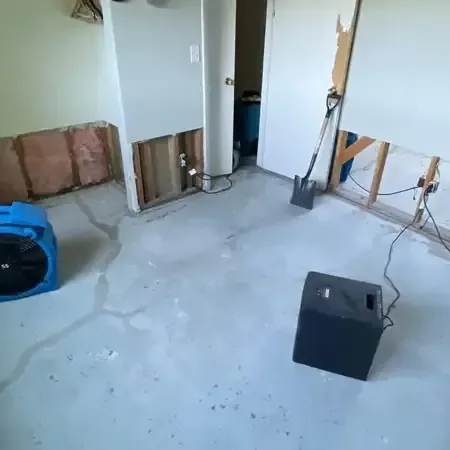
Water services for hill town homes and shops
Each card opens a full page on one kind of water loss, with local detail and the steps a crew follows.
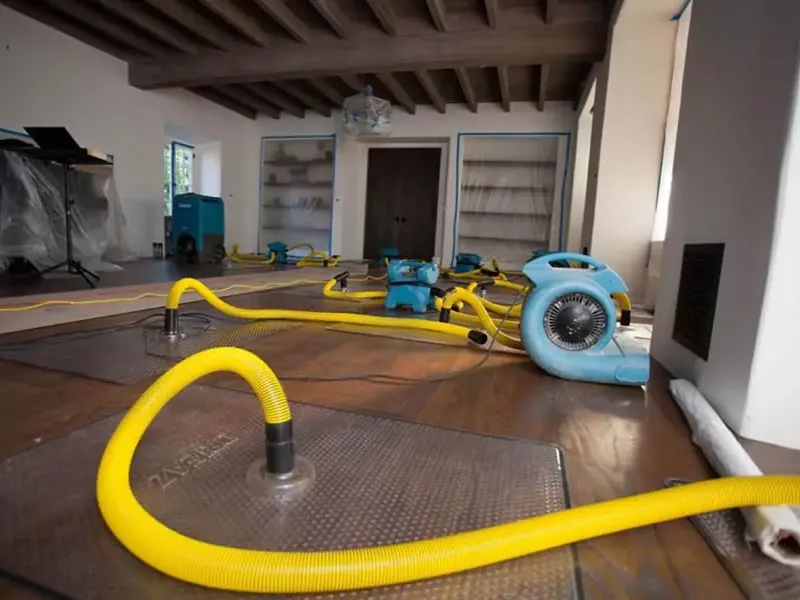 Water Extraction and RemovalTruck-mounted pumps and wands pull standing water from carpet, hard floors and low rooms before it soaks into framing.Open this service
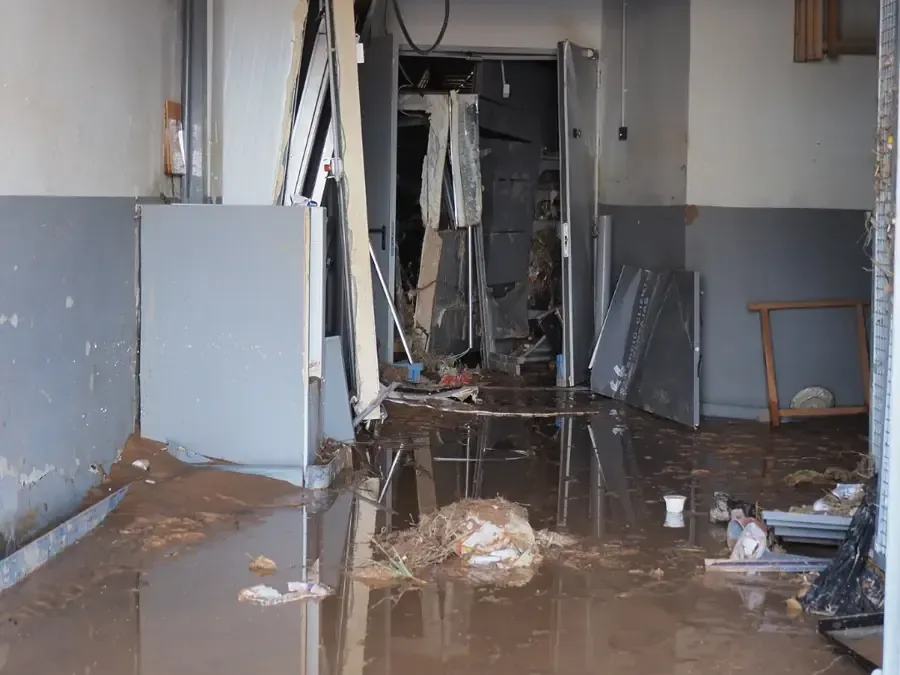 Basement Flooding CleanupPump-outs, wet insulation removal and slab drying for basements flooded by rain or a failed pump.Open this service
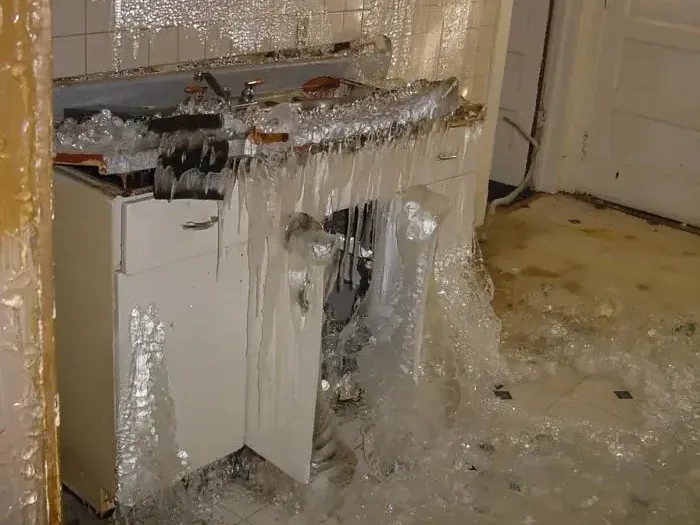 Frozen Pipe Water DamagePipes that split in the cold leak at the thaw, so crews open the cavity, extract the water and dry what got wet.Open this service
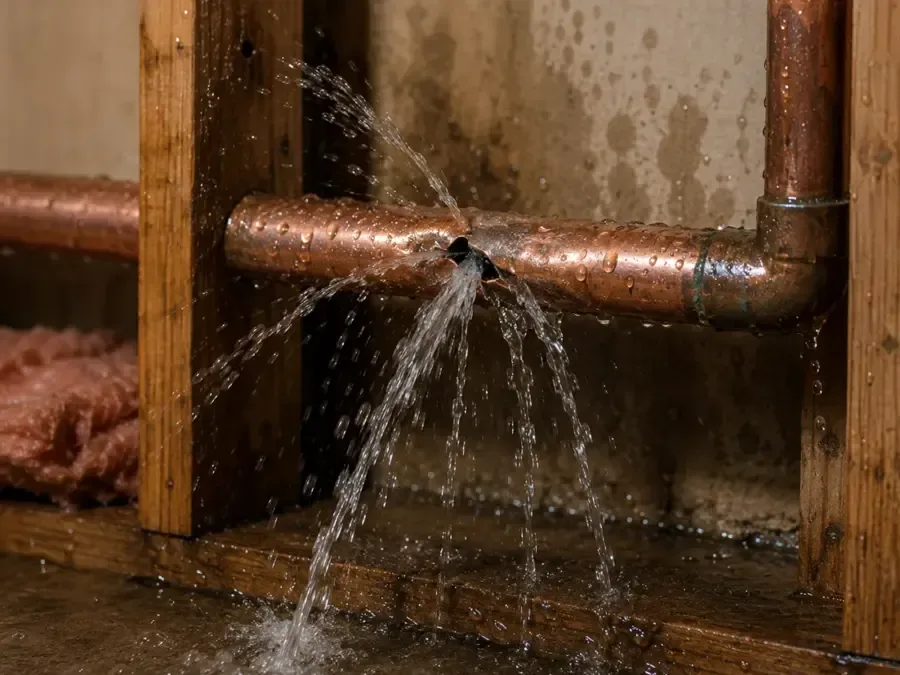 Burst Pipe and Supply Leak DamageA failed supply pipe floods one floor fast and drips onto the one below, so crews trace both and dry them together.Open this service
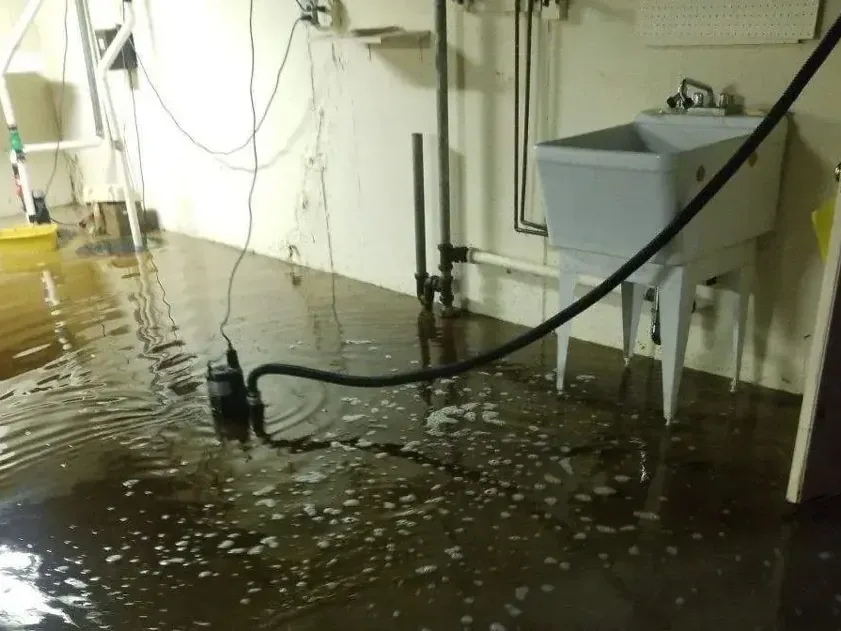 Sump Pump Failure CleanupPumps quit during storms, and crews clear the overflow, strip the wet finishes and dry the slab behind it.Open this service
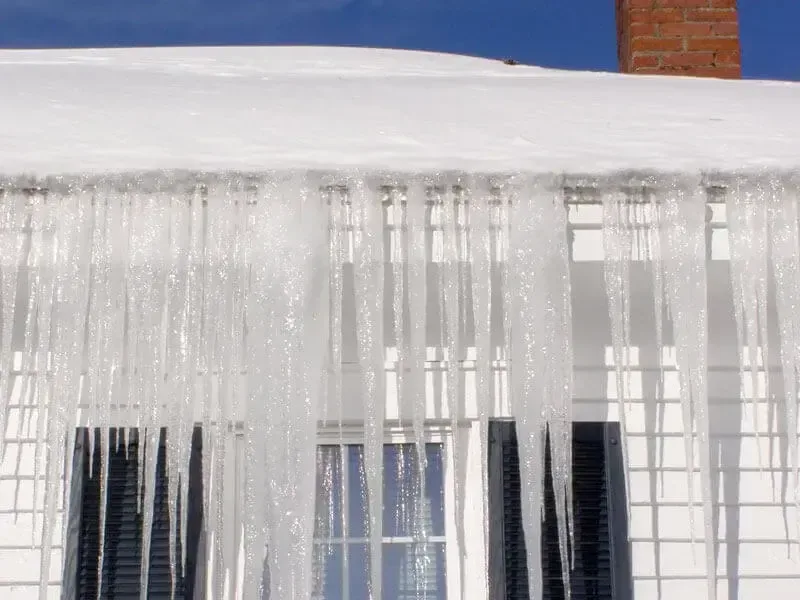 Ice Dam and Roof Leak Water DamageMelting roof snow backs under shingles and stains ceilings, and crews dry the attic, the insulation and the walls below.Open this service
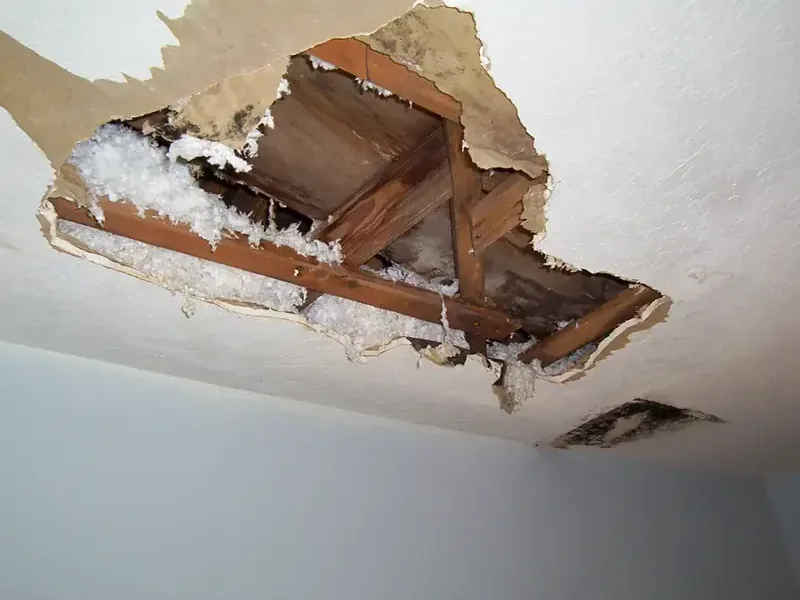 Ceiling Leak Water DamageA stained ceiling gets traced to its roof or pipe source, then the wet section is opened and the joist bay dried.Open this service
 Flash Flood and Storm Water CleanupBrook overflow and heavy rain leave silt and dirty water, so crews pump, remove debris and sanitize.Open this service
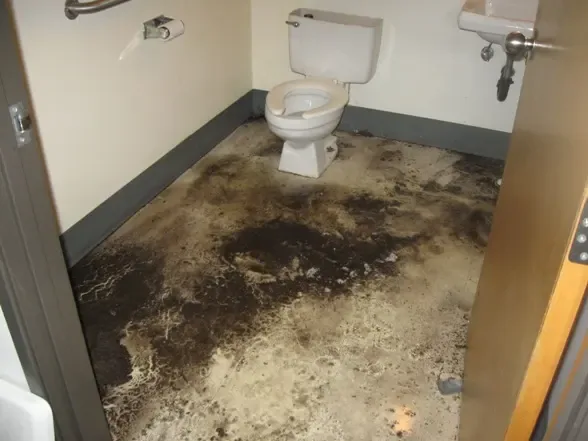 Sewage Backup CleanupBacked up drains bring Category 3 water indoors, so crews contain, remove porous materials and treat surfaces.Open this service
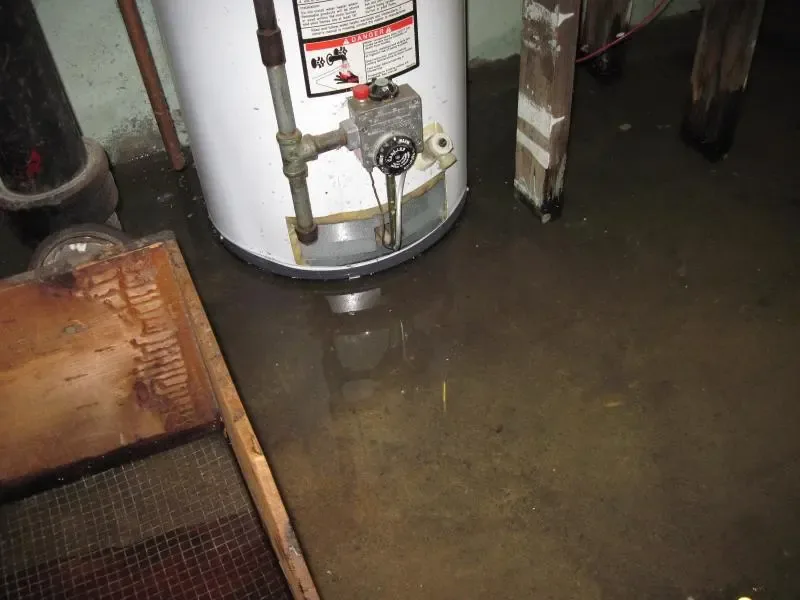 Water Heater Leak CleanupA leaking tank soaks the floor and wall bottoms, and crews extract, move contents aside and dry the area.Open this service
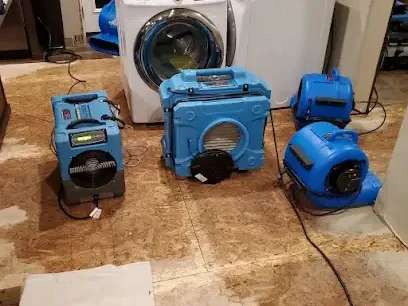 Appliance and Washer Hose LeaksWasher hoses and dishwashers leak slowly, and moisture readings find the wet spots hidden behind them.Open this service
 Structural Drying and DehumidificationAir movers and dehumidifiers pull moisture from framing, subfloors and masonry while daily readings show when the drying is done.Open this service
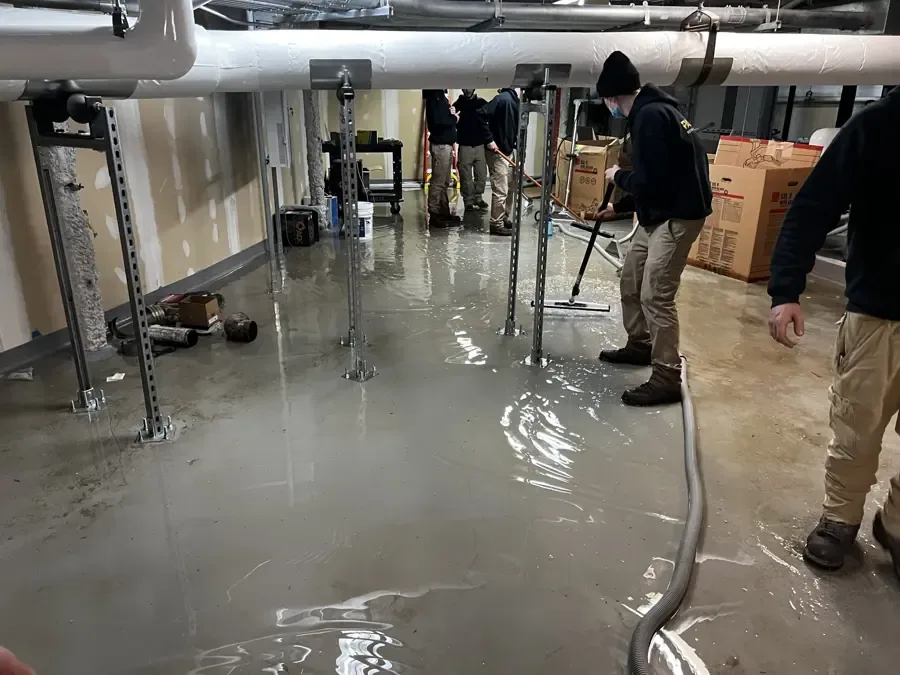 Commercial Water DamageShops, offices and school buildings get phased drying plans that keep the business running while crews work.Open this service
What a hill town homeowner gets when water comes in
Hill roads known
Crews work the ridge roads, the village streets and the Route 140 corridor, so a call from the slopes reaches a truck that knows the way.
Truck-mount power
Large extractors and submersible pumps move standing water fast, which matters when a basement fills quicker than a household pump can work.
Records for the claim
Every job file holds dated photos, moisture readings and equipment logs that an adjuster can follow without calling anyone back.
Older home know-how
Housing figures from the state put 13% of units in buildings from before 1939, so crews plan for older materials on many calls.
What a crew carries to a wet house
- Truck-mounted extractors and submersible pumps for deep water
- Axial air movers and low-grain dehumidifiers sized by room
- Moisture meters plus an infrared camera to map wet framing
- Containment sheeting and HEPA air scrubbers for dirty water
Four steps from standing water to dry framing
Every job follows the S500 sequence, and the crew writes each reading down so the final number is a measurement.
Locate the water
The crew traces the source, shuts it off if needed and maps the wet areas with meters and an infrared camera before a wall opens.
Pull it out
Pumps and extractors take the standing water, then wet pad, insulation and soaked trim come out so they stop feeding the moisture.
Dry the structure
Air movers and dehumidifiers go in by room, and the technician returns to log readings on framing, subfloor and drywall.
Prove it dry
Equipment stays until the meters match an unaffected reference wall or floor, and the final numbers go into the claim file.
What water damage work costs and where the claim fits
A small clean water leak often costs $1,200 to $3,000, while sewage or floodwater starts at $9,000, and the water source moves the price more than the room count.
Contained supply leak
- One room or one wall
- Extraction and drying
- Clean supply water
Several rooms or a basement
- Wet insulation removed
- Finished floors lifted
- Daily monitoring visits
Sewage or floodwater
- Category 3 contamination
- Porous materials removed
- Containment and antimicrobial
What the insurer will want
Adjusters work from evidence, so the crew builds the file while the job runs instead of rebuilding it afterward.
- Photos of the damage before cleanup
- The date the water started
- Moisture readings for each wet room
- Equipment logs for every drying day
- Itemized invoices for the work
A homeowner who finds water shuts off the supply or the power first, then photographs the room and calls the insurer to open a claim. Waiting for approval before extraction lets the damage spread, and most policies expect reasonable steps to limit it.
Damaged items stay put until the adjuster has seen them.
These ranges are typical, not quotes. The crew prices a job after a moisture survey, and the final figure follows the scope the adjuster accepts, so the homeowner keeps every photo and invoice.
What to do while the water is still running
- The homeowner closes the main water valve, or flips the breaker if water is near outlets.
- Family members stay out of standing water until the power is confirmed off.
- A phone photo of the water and the soaked belongings comes before anything is moved.
- Rugs, small furniture and electronics go up onto dry ground.
What a wet house looks like at the start
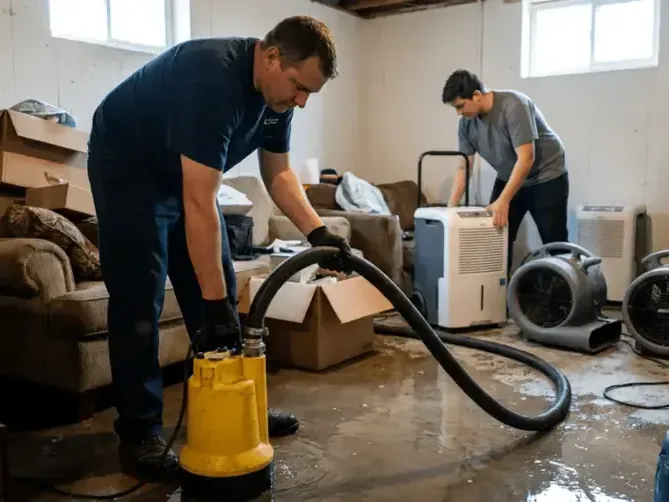
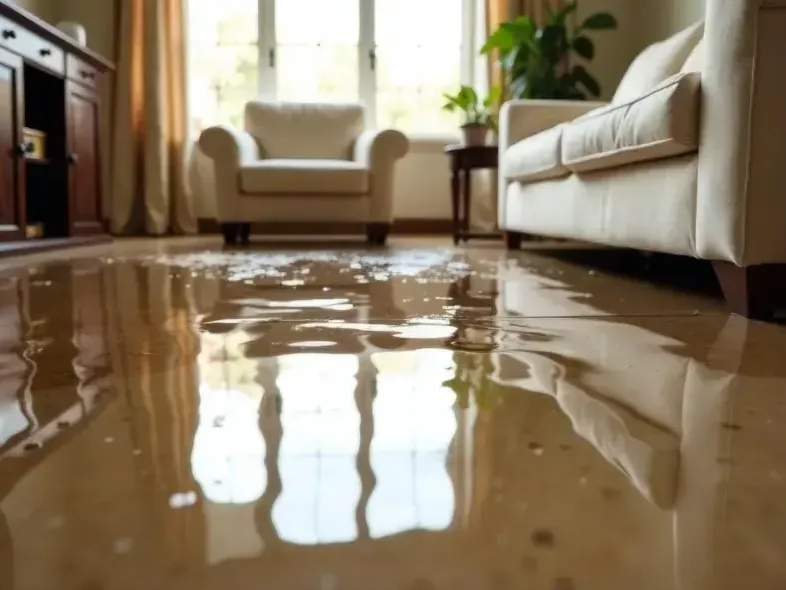
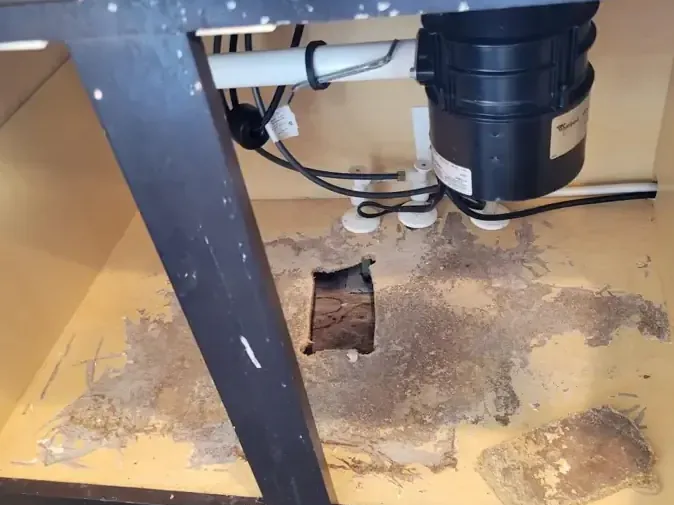
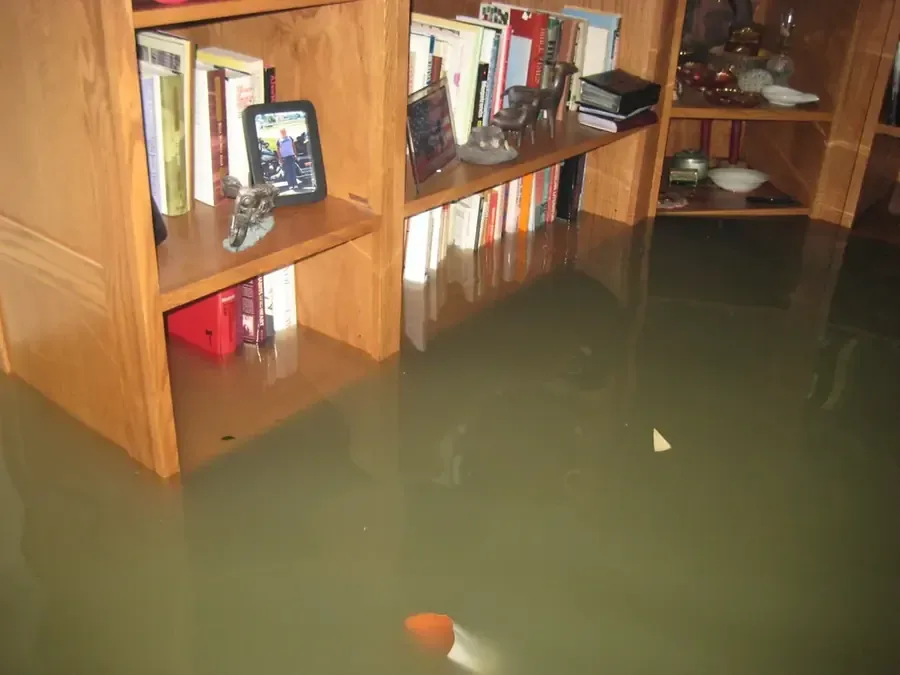
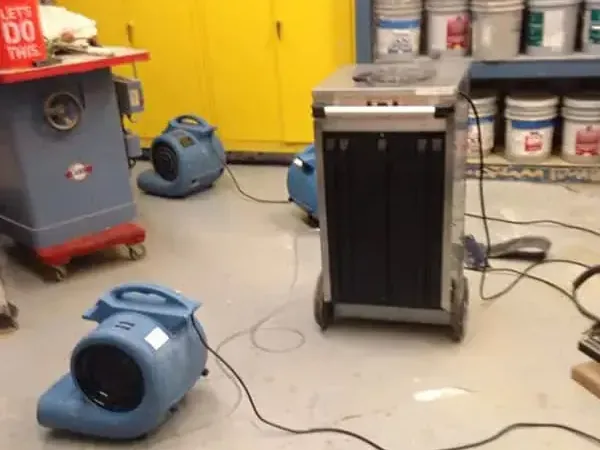
Six photos show common water damage scenes and the equipment crews use to dry them out.

Crews cover Westminster from the village to the mountain
Calls come from ridge streets, brookside roads, pond neighborhoods and the commercial strip along Route 140.
ZIP served
ZIP 01473 is the town's code, and the same crews also work across the eastern border in Fitchburg and Leominster.
Nearby places
Village and hill
Routes and parks
Rivers and roads
Ponds and neighborhoods
Mountain side
Three kinds of water, three ways to handle them
The source decides how contaminated the water is, and the contamination decides what gets removed instead of dried.
Clean supply water
A split pipe or a failed fitting sends Category 1 water across the floor. Fast extraction and drying usually save the drywall and flooring.
Supply pipe leak cleanupGray appliance water
A dishwasher or washer hose leak carries soap and light contamination, so the crew treats it as Category 2 until readings say otherwise.
Washer and dishwasher leaksSewage and flood water
Backed up drains and brook overflow carry Category 3 water, so porous materials go out and the surfaces are cleaned and treated.
Sewage backup responseWhat has hit homes and roads here
Local risk here comes from rivers, culverts and winter weather, and the town's own reports show how the March 2010 storms hit basements, roads and brooks. Statewide warnings add the winter side: frozen pipes and heavy snow.
River over the road
In March 2010 the Whitmanville River swelled over its banks and flooded Whitmanville Road, and a failing board in an upstream dam made it worse.
Washouts and culverts
The same storms washed out part of Batherick Road and damaged the Overlook Road culvert, and the Department of Public Works made the repairs.
Basements pumped
Numerous basements flooded that March, and the Fire Department pumped many of them while water entered some houses faster than the pumps could work.
Route 140 corridor
A town report named flooding between Mile Hill Road and Gatehouse Road as the top concern along Route 140 and proposed larger culverts.
January cold
Massachusetts officials warned in January 2026 that cold weather significantly raises the risk of frozen and burst pipes across the state.
Snow and ice
Statewide snowstorms in 2013, 2015 and 2018 each dropped about 2 feet in under 24 hours, and a December 2008 ice storm triggered a local emergency.
Water damage questions from local homeowners
Water still coming in right now?
A crew can talk through the shutoff steps and plan the pump-out while the homeowner stays safe.
(888) 629-3140 (888) 629-3140Talk to a drying crew nowWhy can a basement flood while the sump pump is running?
In March 2010 the Fire Department pumped many local basements, and in some of them water came in faster than the pumps could work. A household pump moves a fixed volume, so heavy inflow can outrun it.
Who runs the town water and sewer?
The Water Department sits under the town Department of Public Works, and its customers receive water from the City of Fitchburg system. The town sewer flows into the Fitchburg collection system, and Holmes Park has its own water district.
What if the house is on septic instead of town sewer?
The Board of Health handles septic systems, so a septic backup is a different problem from a town sewer backup. The crew first learns which system serves the house, then contains and cleans the area as Category 3 water.
Which homes face the most burst pipe risk?
State housing data put 13% of units in buildings from before 1939, 29% from 1940 to 1959 and 20% from 1960 to 1979. Pipes freeze in any era when a wall cavity or unheated corner stays cold, so age is not the whole story.
How much does water damage cleanup cost?
A small clean water leak often costs $1,200 to $3,000, several rooms or a basement run $3,500 to $9,000, and sewage or floodwater starts at $9,000. The crew prices the job after measuring the wet area.
How long does structural drying take?
Most jobs need three to five days of equipment, though plaster, hardwood and masonry take longer. The crew keeps the machines running until meter readings match a dry reference, not until a calendar date.
Is a winter roof leak an ice dam problem?
Often, yes. Heat escaping into the attic melts roof snow, the water refreezes at the eave and backs up under the shingles. The crew dries the attic and the ceiling below while a roofer deals with the ice.
Can a business near Route 140 stay open during drying?
Usually in part. The crew phases the work suite by suite, runs drying after hours and contains the wet area so the rest of the building keeps operating, whether it sits on Route 140 or Route 2A.
What does a crew keep for the insurance claim?
The adjuster asks for dated photos, the start of the leak, moisture readings and equipment logs. The crew keeps them in one job file, so the homeowner only adds receipts and the policy number.
What counts as brook or river water?
Water from a brook or river carries silt, debris and sewage, so it counts as Category 3. A federal disaster declaration followed the March 2010 storms, but private flood damage still depends on the owner's flood policy.
Call a crew that pumps, dries and documents for the claim
The estimator walks the homeowner through the shutoff steps while the truck loads, and the job file starts with the first photo and the first moisture reading.
(888) 629-3140Get a drying crew rolling