Water Damage Restoration in Harvard
Crews in Harvard pump out standing water, remove soaked materials and dry the structure to S500 goals, with readings logged daily. Storms, burst pipes, failed sump pumps and overloaded septic systems each get the same documented process.
(888) 629-3140Call a Harvard crew about the water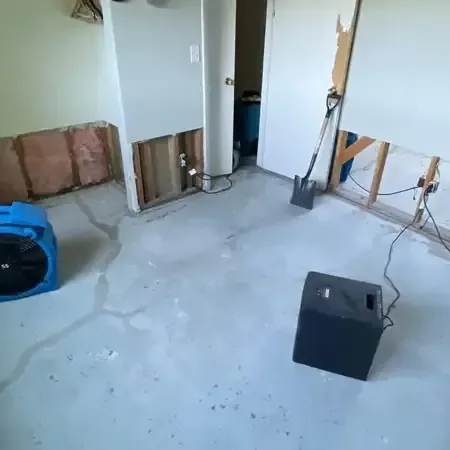
Water damage services for local homes and businesses
Pick the card that matches the water on the floor, from a storm leak to a failed septic tank.
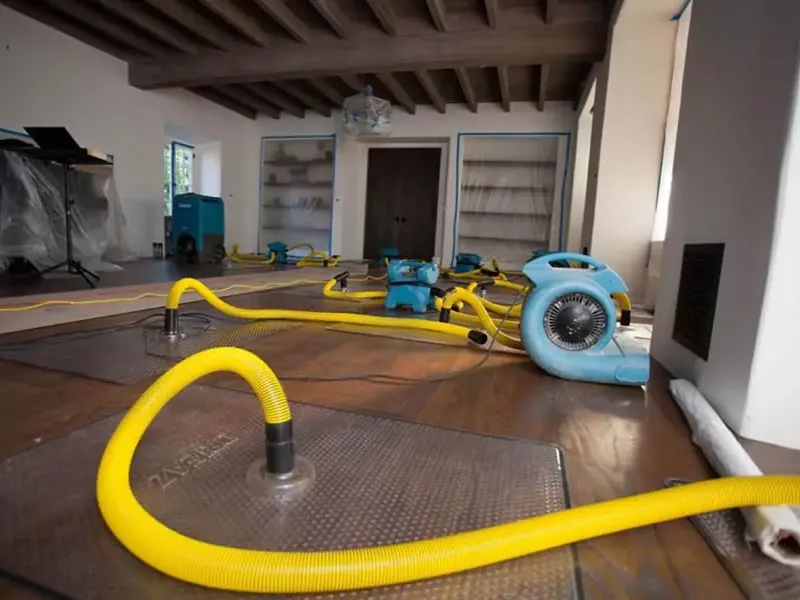 Water Extraction and RemovalTruck-mount and wand extraction clears standing water from floors and carpet before it spreads into walls.Open this service
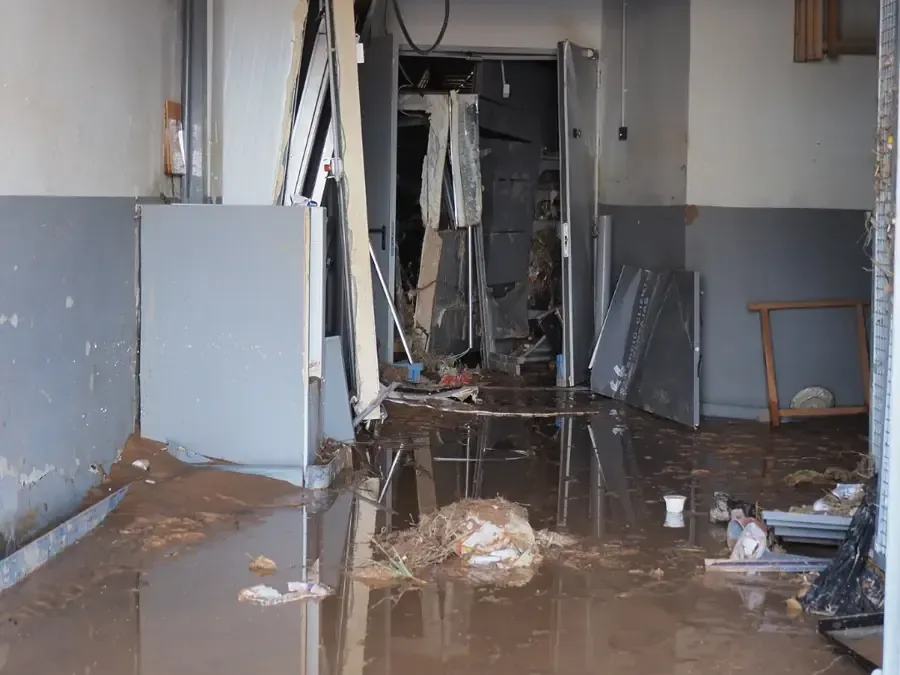 Basement Flooding CleanupPumps lower the water in stages, then crews strip wet finishes and dry the floor and walls.Open this service
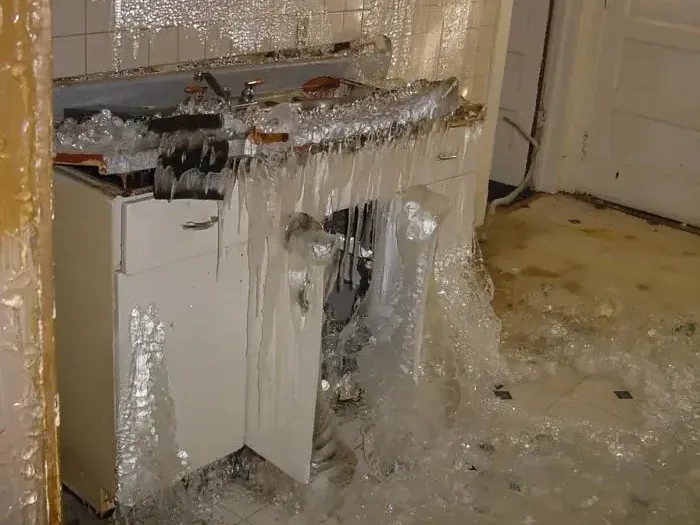 Frozen Pipe Water DamagePipes that split in the cold flood walls at the thaw, so crews open and dry the cavity.Open this service
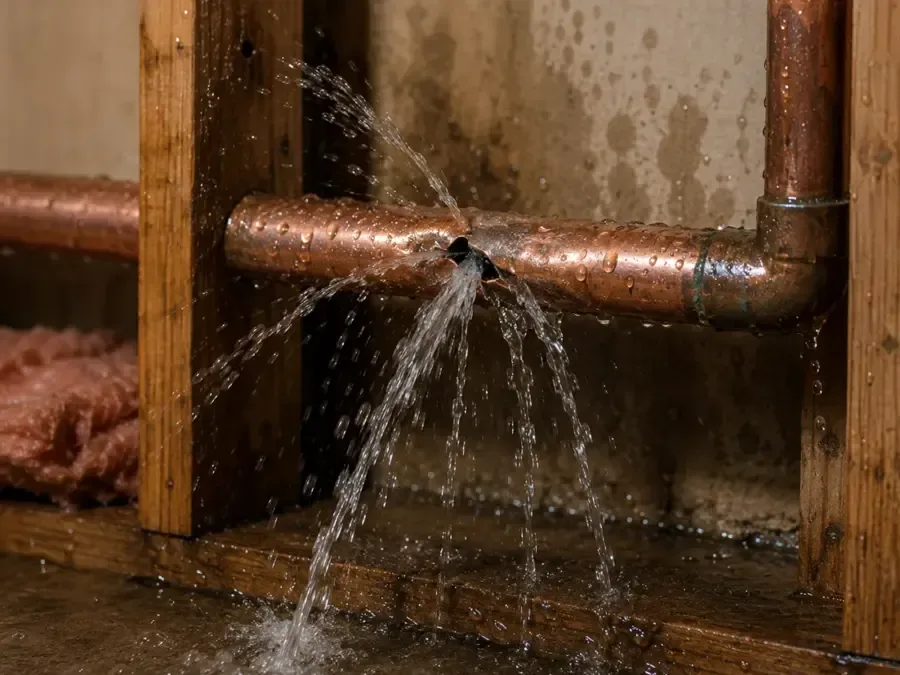 Burst Pipe and Supply Leak DamageA burst supply pipe soaks ceilings and floors fast, so crews extract the water and dry each level.Open this service
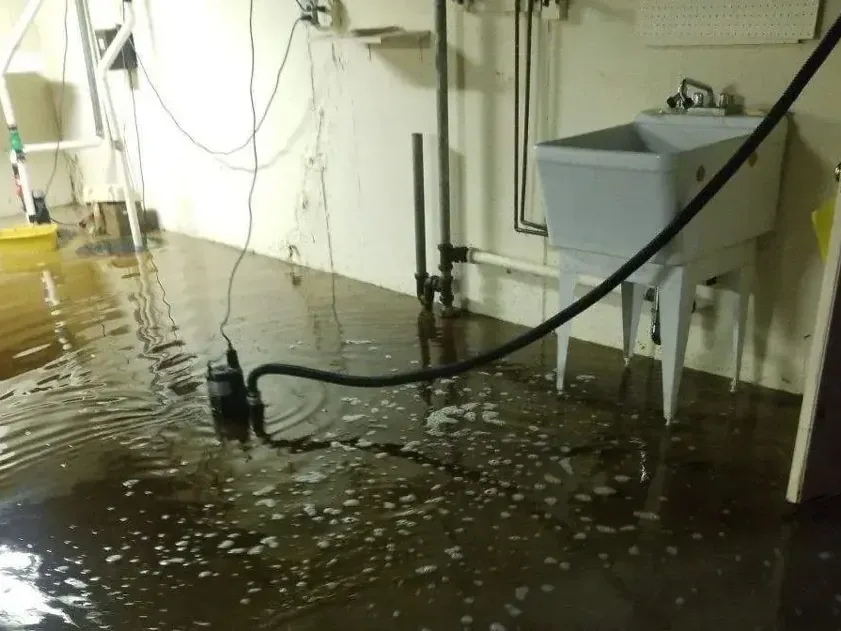 Sump Pump Failure CleanupWhen a storm outage stops a sump pump, crews clear the water and dry the damage.Open this service
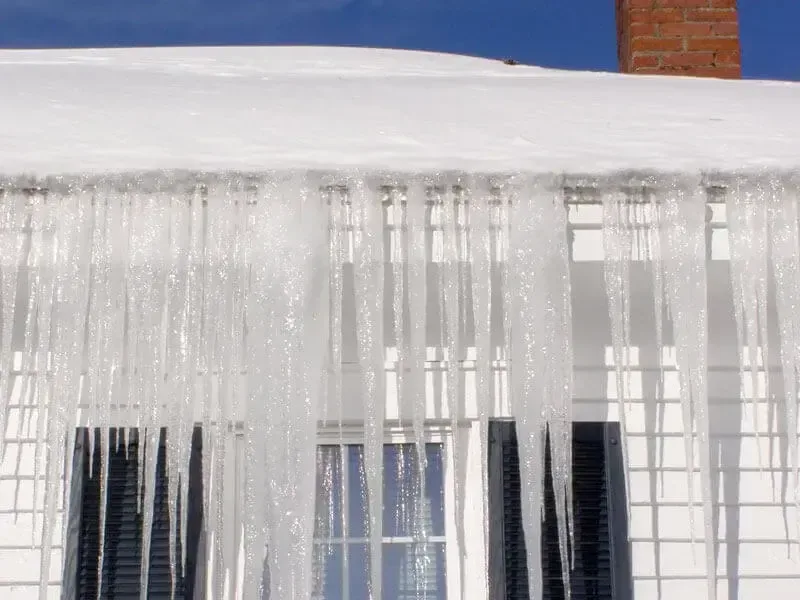 Ice Dam and Roof Leak Water DamageMelt water backed up under roofing soaks insulation and ceilings, so crews dry the attic and rooms below.Open this service
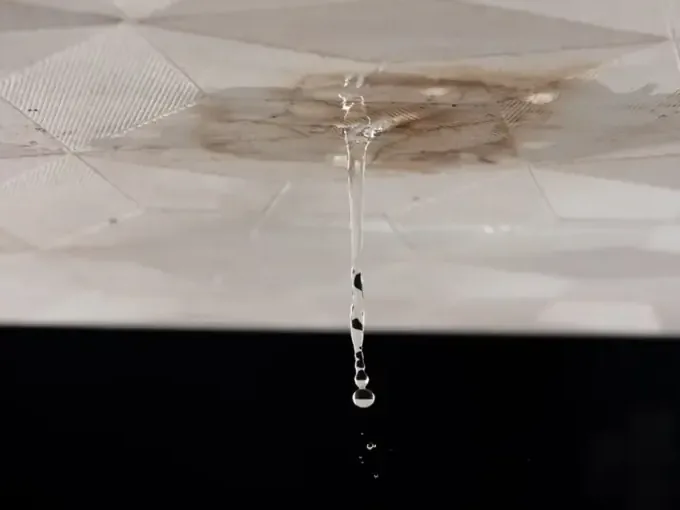
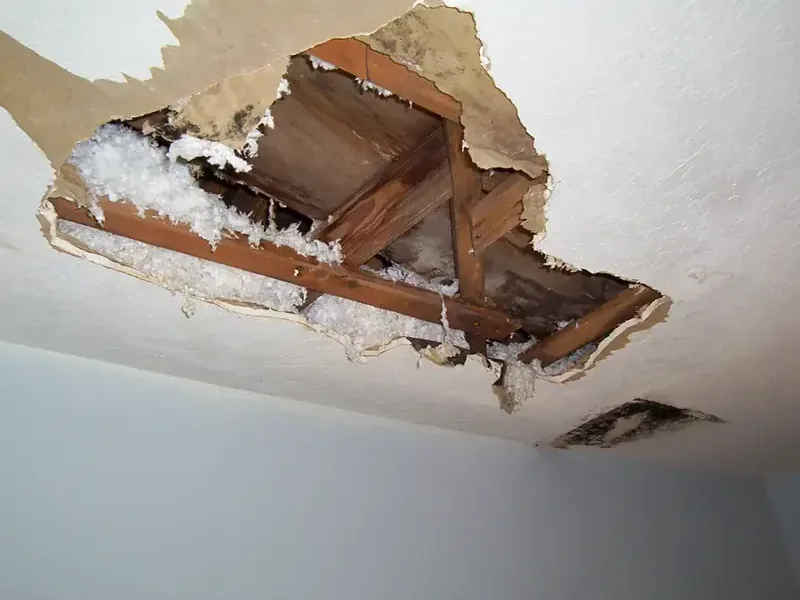 Ceiling Leak Water DamageCrews trace a ceiling stain to the roof or a pipe before any drywall comes down.Open this service
 Flash Flood and Storm Water CleanupBrook and river water leaves silt and debris, so crews pump, shovel out, clean and dry the space.Open this service
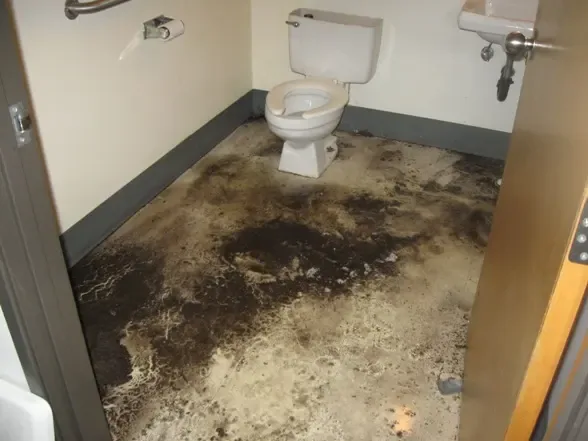 Sewage Backup CleanupSeptic overflow or a backed-up drain is Category 3 water, so crews contain, remove and disinfect first.Open this service
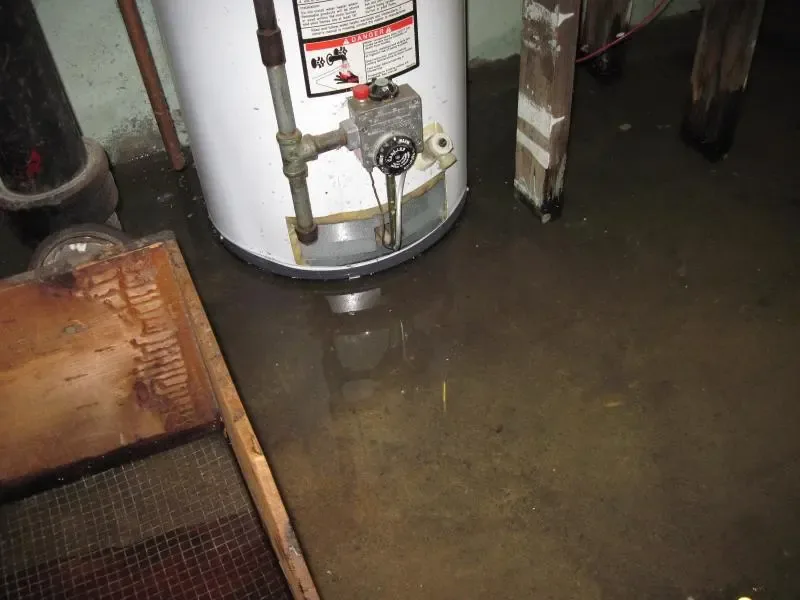 Water Heater Leak CleanupA failed tank soaks the floor and nearby walls, so crews extract and dry both.Open this service
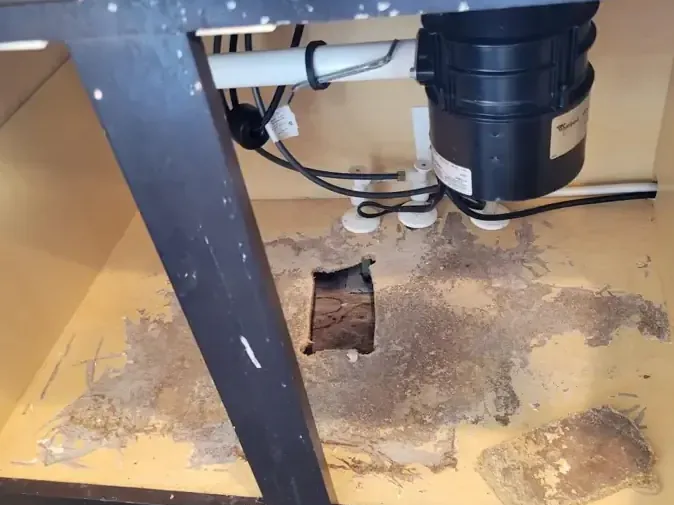
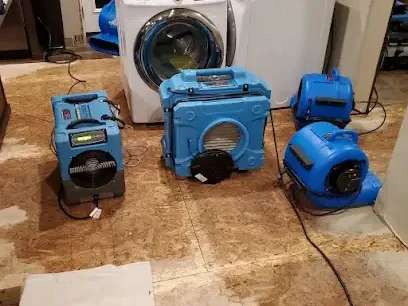 Appliance and Washer Hose LeaksWasher hoses, dishwashers and refrigerator supply hoses leak slowly, so moisture readings find what the eye misses.Open this service
 Structural Drying and DehumidificationAir movers and dehumidifiers dry wood, plaster and masonry until readings match the dry standard.Open this service
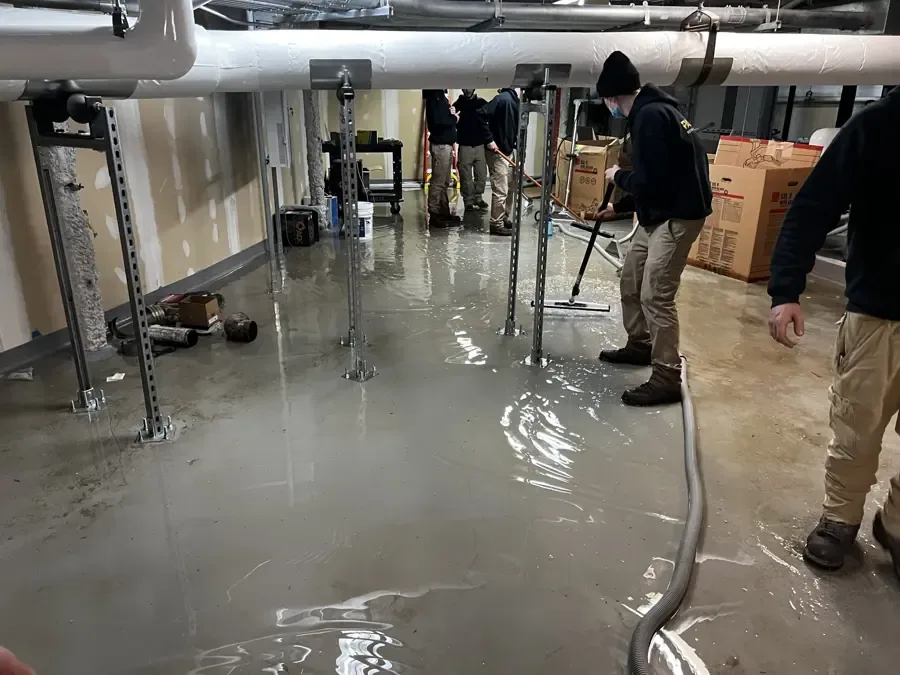 Commercial Water DamageShops, farm businesses and offices get phased drying that keeps the doors open where the building allows.Open this service
What a wet house needs from the first call
Dispatch day and night
A dispatcher takes each call at any hour and matches the crew to the address and the type of water.
Readings, not guesses
Moisture meters and thermal imaging show where water traveled, and the daily log shows when materials are dry.
Claim-ready documentation
Dated photos, the moisture log and an itemized scope go to the adjuster so the claim shows the real damage.
Rural and historic houses
Crews match the drying plan to the materials in each house, whether plaster, hardwood or newer drywall.
Equipment crews bring to a wet house
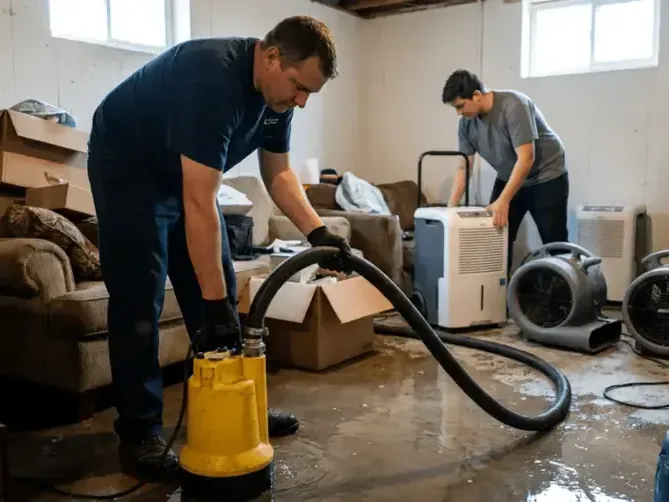
- Truck-mount extractors and submersible pumps for standing water
- Air movers and LGR dehumidifiers sized to each room
- Pin and pinless meters plus a thermal imaging camera
- Containment sheeting, negative air machines and HEPA filters
From soaked floor to dry structure
The crew follows one fixed sequence on every wet house and logs each step for the adjuster.
Trace the water
Crews find the source, shut it off where possible and map the wet area with meters and thermal imaging.
Pump and extract
Pumps and truck-mount extractors remove standing water first, then wands pull moisture from carpet and hard floors.
Dry and record
Air movers and dehumidifiers run while crews log temperature, humidity and material moisture at each visit.
Verify dry
Equipment comes out only after readings match the dry standard, and the final log goes to the adjuster with photos.
What the work costs and how claims usually go
Small clean-water leaks run $1,200 to $3,000, larger jobs $3,500 to $9,000, and sewage or floodwater starts at $9,000, so early action is the cheapest choice a resident controls.
Small clean-water leak
- Extraction, fans and a dehumidifier in the room
- Moisture mapping of nearby walls
- Clean supply water
Several rooms or a floor
- Wet drywall and insulation cut out
- Cavities dried with air movers
- Daily readings logged
Sewage or floodwater
- Category 3 contamination
- Porous materials removed
- Containment plus antimicrobial
Documents an adjuster asks for
A tidy file shortens the claim, so the crew keeps dated photos, readings and an itemized scope from the first visit.
- Dated photos of the source and the waterline
- Daily moisture and humidity readings
- Itemized list of removed materials
- Equipment placed and days it ran
- Notes on any damaged contents
Owners start the file by photographing damage before anything moves, keeping receipts for emergency repairs and noting when the water was found and who was called.
The crew adds the scope, the readings and the equipment record, and owners keep the policy declarations page where the adjuster can see it.
Final cost follows the water category, the area that got wet and how long it sat before drying began. The adjuster decides what the policy covers, and the crew supplies photos and logs for that decision.
First moves for a wet house
- Residents switch off the breaker for wet rooms and stay out of standing water near outlets.
- Owners shut the valve feeding the leak, then note when it started.
- Family members lift small furniture, rugs and electronics onto dry surfaces.
- Anyone with a storm loss photographs the waterline before any pump starts.
Water damage work, step by step
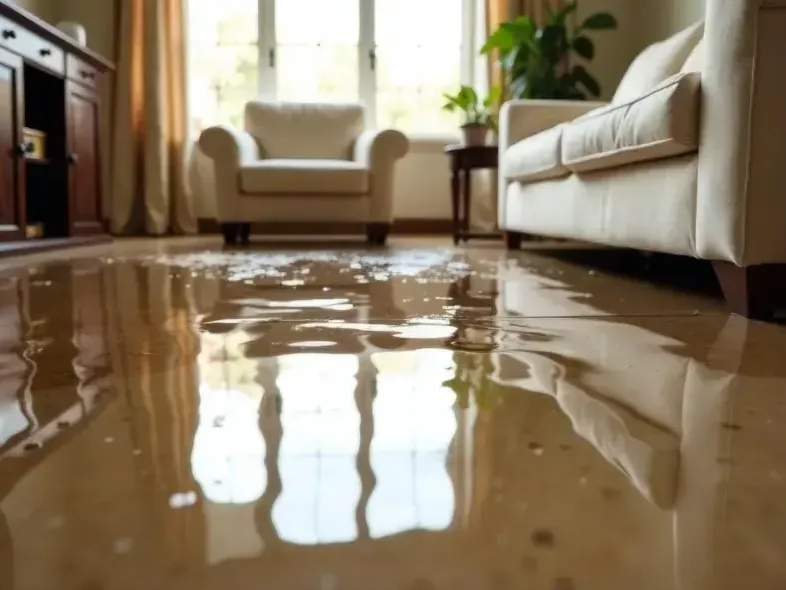
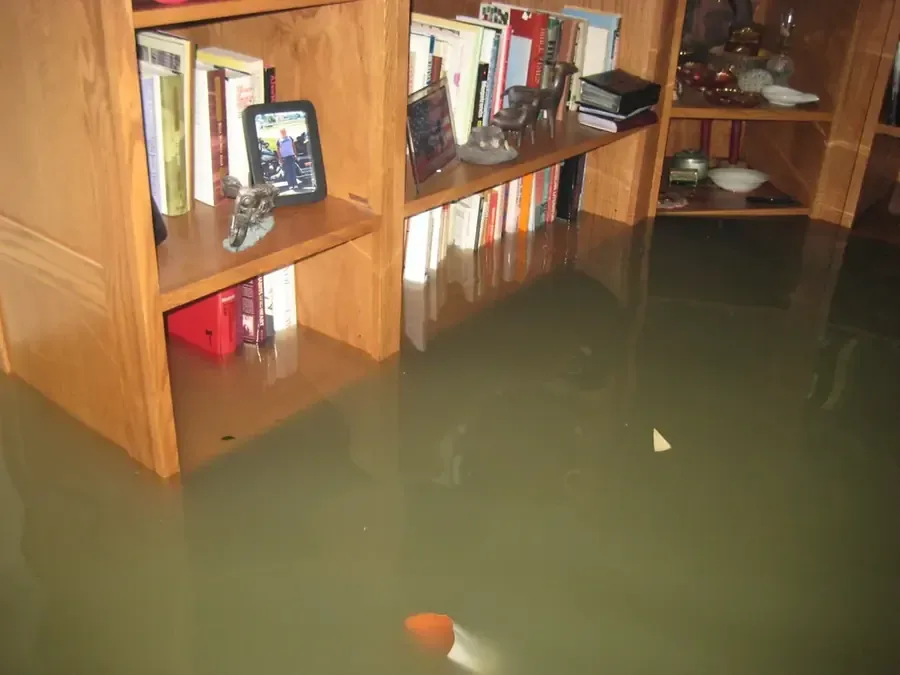
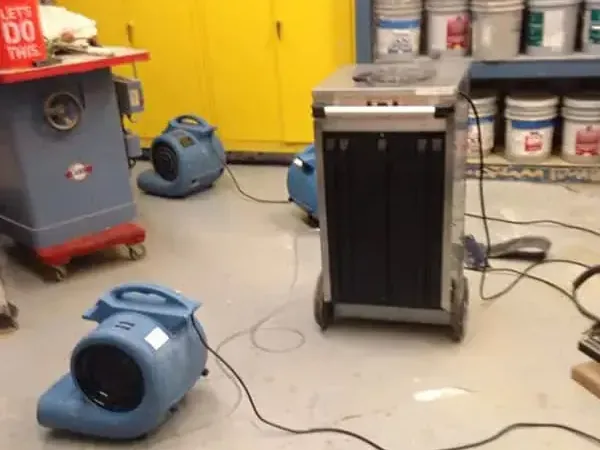
These photos show typical conditions and equipment on water jobs, not any single address.
Crews cover Harvard Center, Still River and Oak Hill
Calls come from the village centers, the orchard roads and the hills between them.
ZIP covered
Calls from either ZIP reach the same dispatcher, who takes the street address and the type of water rather than just the code.
Nearby places
Village centers
Main roads
Hills and history
Outlying roads
Why the type of water changes the job
Crews sort every loss by water category before choosing protective gear and the removal plan.
Clean supply water
A split pipe or a failed fitting releases clean water, which dries quickly if crews extract it before it soaks drywall and insulation.
Burst pipe cleanupGray appliance water
Washers and dishwashers release used water with soap and soil, so crews clean and treat the floor while they dry it.
Appliance leak cleanupBlack sewage water
Septic overflow and drain backups carry bacteria, so crews contain the area and remove porous materials.
Sewage backup cleanupWhat puts local houses at risk
Harvard lies in the Nashua, Concord and Merrimack watersheds, and regional and town hazard planning flags heavy rain, snow melt, extreme precipitation and ice storms as lasting concerns for local houses across town.
Nashua River overflow
FEMA's Worcester County flood study says low-lying parts of town flood periodically when the Nashua River overflows.
Undersized culverts
The June 2019 resilience workshop named undersized culverts, including one off Littleton Road and one between Turner Lane and Willow Road, as a cause of flooding and road closures.
Pond dam capacity
The same report says the Bare Hill Pond dam system needs more capacity for storm water and drainage.
Winter ice storms
An ice storm in December 2008 and an icy storm on January 24, 2023 cut power, the latter for about half of Harvard's electric customers.
Cold snaps and snow
A 2018 snowstorm brought record-low temperatures and drifting snow, and the regional plan rates extreme temperatures a moderate risk.
Septic and groundwater
Harvard is served mostly by private septic systems, and rising groundwater or intense rain can damage tanks and leach fields.
Water damage questions from local homeowners
Still have a question about the water?
A dispatcher can talk through the situation and send a crew if the water needs removal.
(888) 629-3140 (888) 629-3140Talk through the damage with dispatchWho responds to water damage in Harvard after a storm?
Dispatchers answer through storm nights and winter outages, then assign a crew by address, water type and wet rooms. Road access matters, since an October 7, 2020 storm left Bolton Road near Slough Road impassable.
Does a failed septic system count as a sewage backup?
Yes, once the overflow reaches the house it is Category 3 water. Crews contain and clean the affected rooms, while a septic professional repairs the tank and leach field.
Do wetlands rules change a storm cleanup?
Inside the house, cleanup is a normal dry-out. Near wetlands, brooks or ponds outside, the Conservation Commission administers the Massachusetts Wetlands Protection Act and the town's bylaw, so owners check with it first.
Is flood damage covered by a standard homeowners policy?
Standard homeowners policies usually exclude rising flood water, which needs its own flood policy, and sewer backup often needs an endorsement. The town's maps show FEMA 100-year and 500-year flood zones along with wetlands.
What happens to a sump pump during a power outage?
A pump without power cannot run, and storms have cut electricity to much of town, as in December 2008 and on January 24, 2023. A battery backup keeps pumping through an outage.
How does a crew dry an older historic house?
Crews start from the materials in the house, not a template. Plaster, old framing and hardwood dry at different rates, so the log tracks each material and equipment is placed room by room.
Should private well owners test water after a flood?
The Harvard Board of Health recommends testing at least every 5 years and any time color, smell or taste changes, so a change after a storm is a reason to test.
Do businesses along Route 111 get the same service?
Yes. Shops, farm stands and offices get phased drying and after-hours work where possible, so a business can stay open. Commercial claims run through a commercial property policy.
Can pipes burst when an outage cuts the heat?
Yes. Outages in December 2008 and January 2023 arrived in cold weather, and a house without heat can let a pipe ice up and split, with the leak starting at the thaw.
What happens after the water is out and the drying starts?
Crews place air movers and dehumidifiers, open wet cavities and check readings each visit. Equipment stays until meters match the dry standard, and the adjuster gets the log.
Wet floors and soaked ceilings need a crew, not a wait
A dispatcher takes the address, the type of water and the rooms affected, then assigns a crew with the pumps and drying equipment that fit the loss.
(888) 629-3140Talk to dispatch about the water