Moisture and drying plans

Structural Drying in Harvard, MA

Harvard has historic houses from the 18th and 19th centuries, and crews match drying equipment to the materials in each house instead of using one template, while logging readings daily.

(888) 629-3140Call about a dry-out plan
Daily moisture readings LGR dehumidifiers Dry standard before equipment leaves
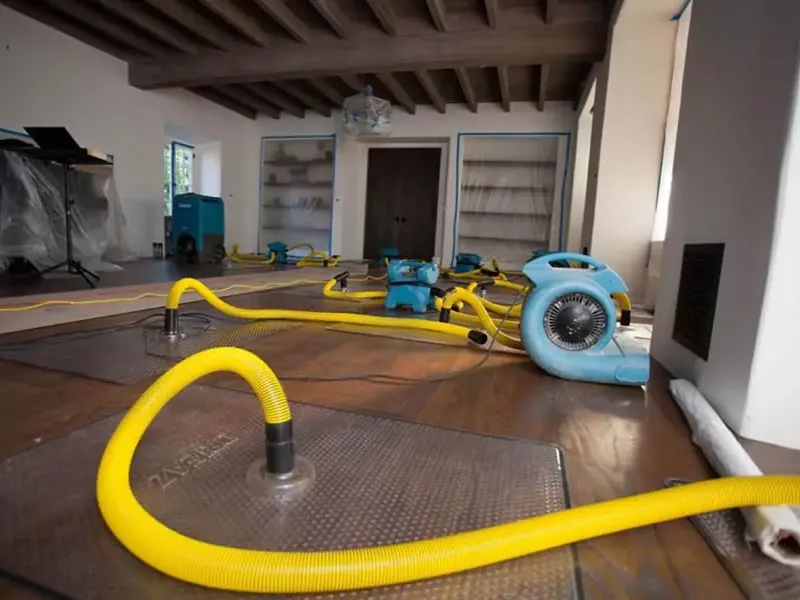
Air movers aimed along a wall beside a running dehumidifier
MethodAir movers and dehumidifiers
MaterialsWood, plaster, masonry
Measured byDaily readings
Ends whenReadings match dry goals
Right now

First steps for structural drying and dehumidification

  1. Ask for the log. Owners request the daily readings sheet at each visit.
  2. Keep doors closed. Family members keep doors and windows shut while equipment runs.
  3. Leave the equipment. Residents let the machines run and report any that stop to dispatch.
  4. Track the cost. Owners note equipment days for the adjuster.

Structural drying is the long middle of a water loss, where equipment runs while crews measure how fast each material gives up its water. Crews in Harvard set the plan from the materials, not from a template.

Older houses need a plan of their own

Crews do not assume what is inside the walls. The town's population grew from 1,315 in 1950 to 4,301 in 1980, and it also holds historic houses, so a street can hold very different construction. Meters read each material, and the plan changes room by room.

  • Meters read each material on every visit
  • Air movers aimed along walls and floors
  • LGR dehumidifiers sized to the room volume
  • Desiccant units added for dense materials

Class 1 and 2 jobs involve a limited wet area and slow evaporation, while Class 4 jobs involve materials such as hardwood, plaster and masonry that hold deep moisture. Crews name the class in the log because it changes the equipment and the time needed. Dehumidifiers pull moisture out of the air so it cannot settle back into the walls.
Cost

What does structural drying and dehumidification cost in Harvard, MA?

One room runs $1,500 to $3,500, several rooms or a basement $4,000 to $9,000, and a whole house or Class 4 job starts at $9,000. Equipment days set the total.

Single room

$1,500 to $3,500
  • Fans and one dehumidifier
  • Daily readings logged
  • Class 1 or 2
Often close to the deductible

A basement or several rooms

$4,000 to $9,000
  • Containment and LGR units
  • Cavity drying
  • Daily logs
Usually an insurance claim

Whole house or Class 4

$9,000 and up
  • Desiccant drying
  • Hardwood, plaster, masonry
  • Extended monitoring
Usually an insurance claim

Ranges are typical, not a quote. The water category, the square footage, the material class and how fast drying started move the number most. Try the water damage cost calculator for a closer range.

Step by step

The structural drying and dehumidification process

1

Measure

Meters set the dry target.

2

Set

Air movers and units placed.

3

Monitor

Readings logged each visit.

4

Release

Equipment leaves at the standard.

How crews know drying is done

Readings from an unaffected area set the target, and crews compare every wet material against it. Hardwood, plaster and masonry take longer than carpet or drywall, so the log shows each one separately. Equipment leaves only when every reading matches.

What long drying means for the claim

Equipment days, daily logs and photos support the scope, and the adjuster can see why a room needed more time. A dry-out that begins with water extraction and keeps a tidy log reduces disputes over what was needed. Basement losses continue under basement flooding cleanup.

Service area

Structural Drying and Dehumidification across the city and nearby towns

Harvard, MA

Drying plans cover the village centers, including Harvard Center and Still River, and the hill and orchard roads, with equipment placed room by room wherever the loss reached.

The same service nearby: structural drying and dehumidification in Leominster, Lancaster, Sterling.

All water services for this town
Wet structure? Call any time, including nights and weekends. (888) 629-3140
FAQ

Structural Drying and Dehumidification questions

Still dealing with it? Dispatch runs 24/7.

Wondering if the equipment should still be running? A dispatcher can check the log.

(888) 629-3140 (888) 629-3140Ask about the dry-out
Why does drying take longer than the water removal?

Water removal takes out what can be pumped or wiped away, while drying draws out what soaked into wood, plaster and masonry. That moisture leaves slowly, which is why readings, not appearance, decide the finish.

Can equipment be turned off at night?

No, units run continuously because drying only works while the air stays dry. Crews place and set them so they run safely without anyone watching.

What separates LGR from desiccant dehumidifiers?

LGR units work well in warm, humid rooms and handle most house losses. Desiccant units pull moisture in cooler or denser conditions, so crews add them for hardwood, plaster or masonry.

Will the noise and heat be a problem?

Equipment is loud and warms the room, which is normal. Crews place units to protect circuits and walkways and explain the setup, and owners report any unit that stops or trips a breaker.

How does the crew prove the house is dry?

Meters compare each wet material with a reading from an unaffected area, and the log records the match. The final photos and readings go to the adjuster with the equipment record.

Can drying prevent mold?

Fast, complete drying removes the damp conditions mold needs, and the log shows when each material reached the dry standard. Materials left damp invite growth, so crews do not leave early.

24/7 dispatch

Finish the dry-out before rebuilding starts

The dispatcher reviews the address, the rooms affected and the readings so far, then assigns a crew with the right mix of air movers and dehumidifiers.

(888) 629-3140Call about drying
Leominster Water Damage Restoration Harvard, MA (888) 629-3140 Open 24 / 7 / 365
(888) 629-3140 · water emergency, any hour