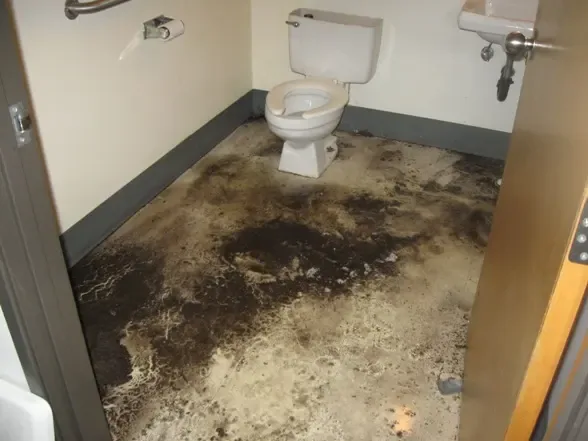
Storm and river flooding

Storm Flood Cleanup in Harvard, MA

Low-lying areas of Harvard are subject to periodic flooding from Nashua River overflow, according to FEMA, and undersized culverts add to the problem, so crews pump, clean and dry storm water losses.

(888) 629-3140Call about storm water in the house
Pump-out and mucking Silt and debris removed Cleaned, treated, dried
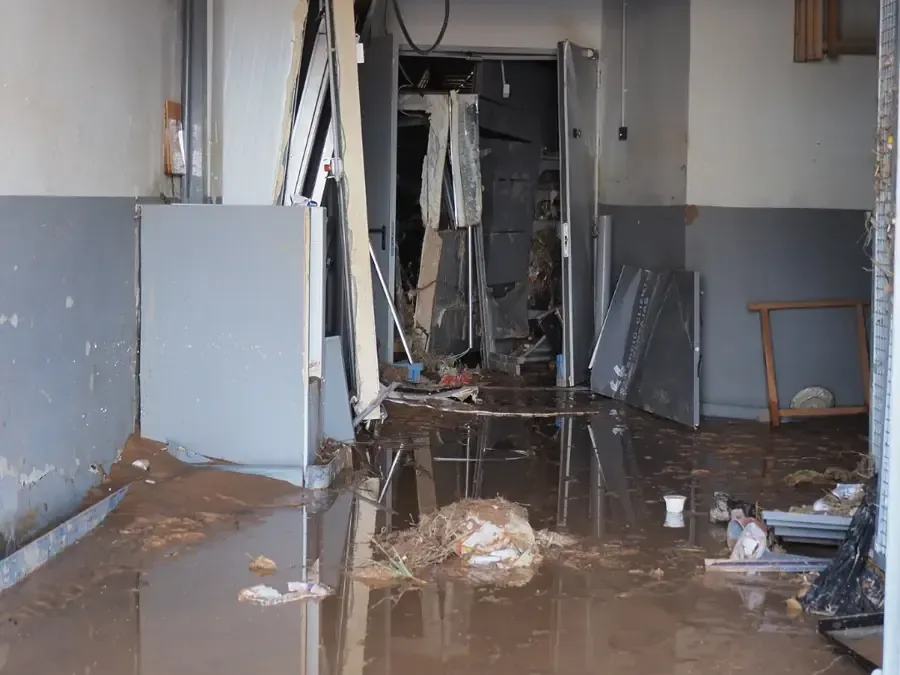
Muddy storm water covering a floor with debris along the wall
Water typeBrook, river, runoff
Main riskSilt and bacteria
PolicyFlood coverage, if bought
PrioritySafe access first
Right now

First steps for flash flood and storm water cleanup

  1. Stay out of the water. Residents avoid wading, since flood water can carry current.
  2. Shut off power. Owners cut the main breaker only if the panel is dry.
  3. Mark the waterline. Owners photograph the high-water mark inside and out.
  4. Call dispatch. A dispatcher asks about road access, depth and power.

Storm water arrives with silt, debris and bacteria, so a flood cleanup is more than a pump-out. Crews in Harvard follow the same order every time: pump, remove, clean, treat and dry.

Why water gathers in town

The town's 2019 resilience workshop report says undersized culverts cannot pass enough water in a storm, and it lists a culvert off Littleton Road and a recently replaced one on Stow Road among its concerns. It adds that the dam system at Bare Hill Pond needs more capacity.

On October 7, 2020, a storm left several roads impassable, including Bolton Road near Slough Road and Littleton Road at Cruft Lane, which shows how quickly access can end for residents and crews.

  • Pumps and shovels remove water and silt
  • Surfaces washed, then treated with antimicrobial
  • Wet drywall, flooring and insulation cut out
  • Walls and floors dried to a logged standard
Cost

What does flash flood and storm water cleanup cost in Harvard, MA?

Shallow unfinished space runs $2,500 to $6,000, a finished basement or first floor $6,500 to $15,000, and deep water across several rooms starts at $15,000. Flood policies treat storm water separately.

Shallow, unfinished area

$2,500 to $6,000
  • Pump-out and mucking
  • Washing and antimicrobial
  • Floor and wall drying
Flood policy, if one exists

Finished basement or main floor

$6,500 to $15,000
  • Drywall and flooring out
  • Silt and debris hauled
  • Complete drying
Flood policy, if one exists

Deep water, several rooms

$15,000 and up
  • Heavy removal
  • Containment and cleaning
  • Extended drying
Flood policy, if one exists

Ranges are typical, not a quote. The water category, the square footage, the material class and how fast drying started move the number most. Try the water damage cost calculator for a closer range.

Step by step

The flash flood and storm water cleanup process

1

Pump

Water and silt pumped out.

2

Remove

Wet materials leave the house.

3

Clean

Surfaces washed and treated.

4

Dry

Equipment runs until readings clear.

Flood maps and policies

Property owners can look up the FEMA 100-year and 500-year zones on the town's maps, which also show wetlands. Most homeowners policies leave out rising flood water, so the adjuster checks whether a separate flood policy was in force.

After the water goes down

Cleaning outranks drying on a storm loss, because silt carries bacteria into porous materials. Crews remove what cannot be cleaned, treat the rest and only then start the dehumidifiers. Brook or river water that reached a finished lower level follows basement flooding cleanup, and sewage mixed into it moves to sewage backup cleanup.

Service area

Flash Flood and Storm Water Cleanup across the city and nearby towns

Harvard, MA

Storm calls come from the village centers, including Harvard Center, Still River and Bare Hill, and the dispatcher plans the route around any road closures the storm caused.

The same service nearby: flash flood and storm water cleanup in Leominster, Lancaster, Sterling.

All water services for this town
Storm flooding? A person answers around the clock. (888) 629-3140
FAQ

Flash Flood and Storm Water Cleanup questions

Still dealing with it? Dispatch runs 24/7.

Flood water in the house? A dispatcher can explain what to do before anyone enters.

(888) 629-3140 (888) 629-3140Ask about flood cleanup
Is storm flood water safe to touch?

No. It carries silt, bacteria and sometimes fuel or sewage from yards and drains, so crews wear protective gear and treat everything it touched as contaminated.

Does homeowners insurance cover storm flooding?

Rising water from a river, brook or runoff usually needs a separate flood policy, while wind-driven rain through a damaged roof may fall under the homeowners policy. The adjuster sorts out which applies.

Can items that sat in flood water be saved?

Hard items such as tile, metal and sealed wood can often be cleaned and kept. Carpet, pad, upholstered pieces and wet drywall are usually discarded because they hold silt and bacteria.

What if the storm has closed the road?

Dispatchers ask about access on the first call and plan around closures, since undersized culverts can shut a road when a storm overwhelms them.

How are mud and silt handled?

Crews shovel and vacuum silt, then wash and treat surfaces before any drying equipment runs, because drying silt into wood and drywall locks in bacteria and odor.

Does cleaning come before drying?

Yes. Drying contaminated materials locks contamination in, so crews remove what cannot be cleaned, treat the rest and start the dehumidifiers only after that.

24/7 dispatch

Get silt and storm water out safely

The dispatcher notes the address, how deep the water is and whether roads are open, then assigns a crew with pumps.

(888) 629-3140Call about the flood
Leominster Water Damage Restoration Harvard, MA (888) 629-3140 Open 24 / 7 / 365
(888) 629-3140 · water emergency, any hour