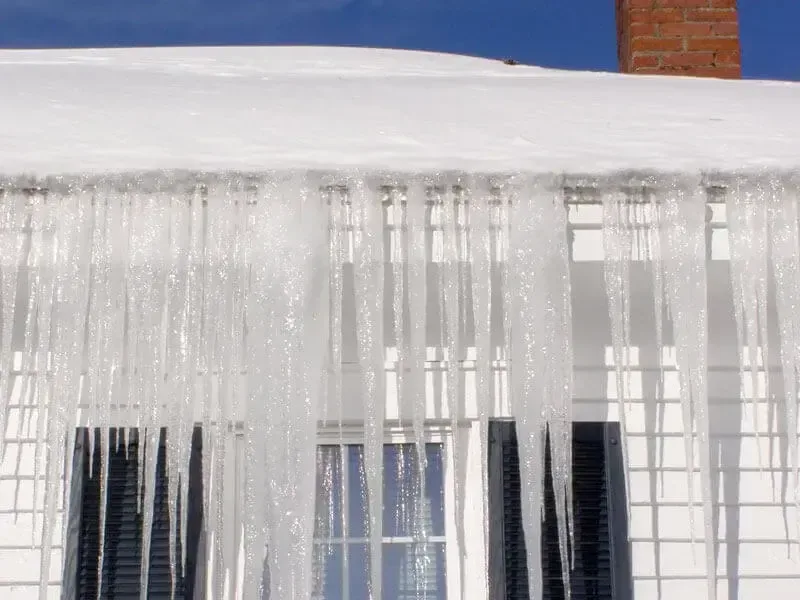
Fitchburg winters run cold, windy and snowy, and a January average high near 35 degrees F against a low near 17 gives snow on a roof a daily cycle of melting and refreezing.
How an ice dam wets the house
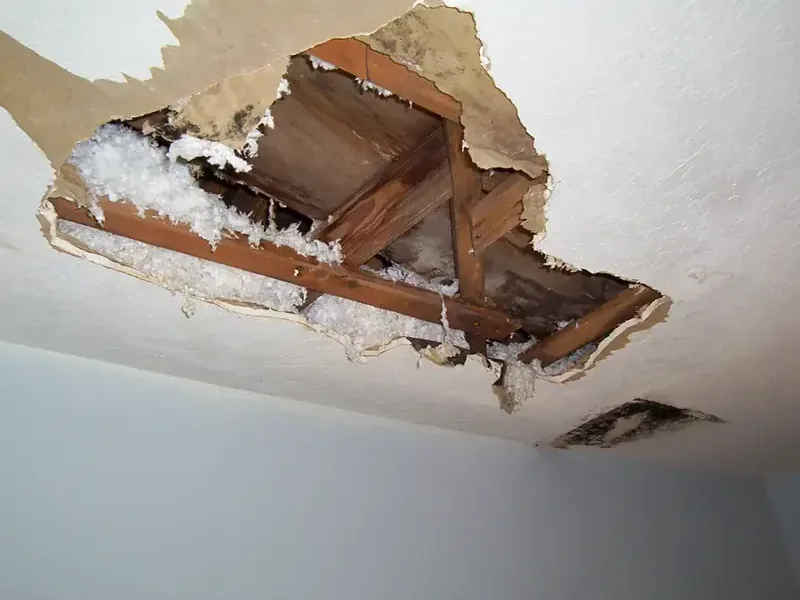
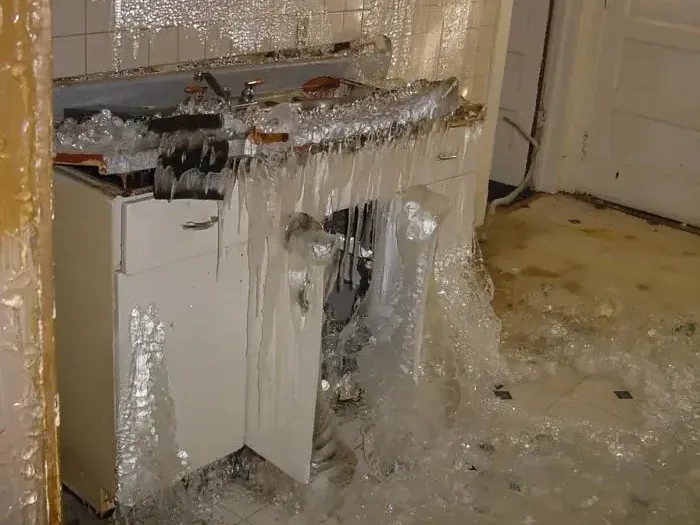
Warm air leaking from the living space melts the snow layer, the water runs to the cold eave and it refreezes into a ridge. That ridge holds back later melt, which seeps under the shingles and drips through the attic floor into the ceilings and walls below. The crew follows that path with meters instead of guesses.
- Attic insulation that took on water is pulled so the joists can dry
- Ceilings get a moisture reading before any drywall is cut
- Exterior walls are checked from the top plate down for wet cavities
- A thermal camera shows where the melt traveled behind the paint